
李善军教授谈RES(2018)创作心得 Shanjun Li on RES (2018)
本文最初于 2022 年 7 月 14 日 发布于微信公众号 Impactful Research;2026 年 4 月 28 日 同步至本网站。
Originally published on the WeChat official account Impactful Research on 2022-07-14; mirrored to this website on 2026-04-28.
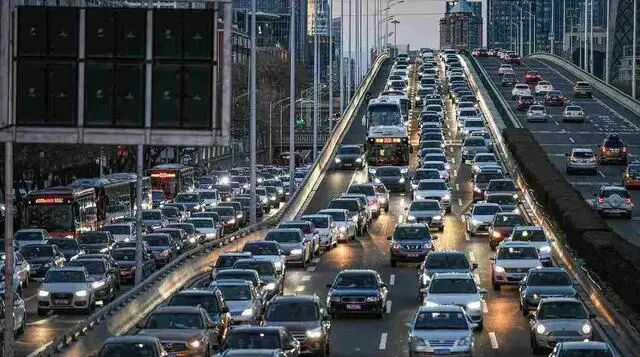
来源:Google图文
这个公众号的第十二篇文章,我们很荣幸邀请到康奈尔大学戴森应用经济与管理学院的李善军教授分享他的关于北京和上海机动车牌照分配机制及福利影响的文章的创作历程。这篇文章于2018年发表在经济学顶级期刊 Review of Economic Studies 上,截至本文刊发时间在Google Scholar的引用量已超过100次。
以下是李善军教授分享的关于 Better Lucky Than Rich? Welfare Analysis of Automobile License Allocations in Beijing and Shanghai 这篇文章的创作历程。
Q:这个研究问题本身便是一个非常重要的政策问题,您是如何发现这一问题并把它变成一个学术问题的?
Q: The research question itself is a very important policy question. How did you identify this question and frame it into an academic question?
A: 北京2011年实行机动车摇号政策后不久我就了解到这一政策,而且我知道上海推行了牌照拍卖。我首先想到的问题是,为什么这两个城市对机动车牌照配额采用不同的分配机制。资源配置是经济学的核心,所以关于摇号和拍卖的比较就很容易与一个关键的经济问题联系在一起。问题背景也很有趣:中国的两大城市,汽车保有量急剧增加,及其带来的城市问题。
A:** Not long after the policy of vehicle license lotteries was implemented in 2011 in Beijing, I got to know the policy and I also knew that vehicle license auctions had been implemented in Shanghai. The first question came to mind was why the two cities use different allocation mechanisms for vehicle license quotas. Of course, resource allocation is at the core of economics so the comparison of the license lotteries vs. auctions is easily tied to a key economic question. The context is also very interesting: two mega cities in China with dramatic increase in vehicle ownership and associated urban challenges.
Q:从您的角度看,这篇文章具有如此重大影响力的主要原因是什么?
Q: From your perspective, what are the main reasons that make this paper a high impact research?
A: 首先,考虑到其他一些城市也采用了机动车牌照配额制度,并使用不同的方式来分配牌照,所以这个问题与政策高度相关。此外,不少发达国家和新兴经济体的大城市也面临着同样紧迫的交通拥堵和城市空气污染问题,并试图通过实施政策来解决它们。所以车牌配额和分配机制对其他国家也很有意义。
A:** The question is highly policy relevant given that several other cities also adopted the vehicle license quotas and used different ways to allocate the licenses. In addition, many large urban areas in developed and emerging economies face the same pressing challenges of traffic congestion and urban air pollution, and are trying to implement policies to address them. So vehicle quotas and allocation mechanisms are very relevant for other countries as well.
Q: 在这篇文章写作与修改过程中最大的挑战是什么(尤其这还是一篇独作)?以及我很好奇您是如何进一步拓展文章的贡献的,您能举一两个例子吗?我们许多从事中国问题研究的读者都希望知道要如何从更一般的视角来推广文章。
Q: What was the greatest challenge during the writing and revision of the paper (in particular that this is a solo paper)? I’m also very curious about how you developed the contribution of your paper in the current form. Would you like to give us one or two examples on this question? Many of our subscribers work on China issues and would really like to know how to sell their paper from a more general perspective.
A: 从实质性的角度来看,最大的挑战是如何使论文更吸引普通读者,而不是作为一篇针对中国某些城市的某个特定政策的影响评估论文。我很幸运地从前辈那里得到了很多有用的建议和鼓励。
关于我如何改变这个问题框架,我想到的一个例子是强调由于外部性的存在,拍卖和摇号的效率排名并不是先验的。虽然在典型情况下,通过将商品分配给支付意愿最高的人,拍卖应该在效率上优于摇号,但在我的例子中就不一定了,因为在分配后阶段,车辆使用会导致外部性的数量不同。通过引入这种理论模糊性,使实证分析更加有趣。对我来说,这种新颖的角度不是独一无二的。我在论文中引用了其他几种情况,即由于当前市场失灵(如市场势力或外部性),分配后结果可能会影响分配机制的排名。
A:** From the substantive perspective, the biggest challenges was to make the paper appealing to the general audience rather than being viewed as an impact evaluation paper on a particular policy in some Chinese cities. I was lucky to have gotten many useful advices and encouragement from senior colleagues.
I guess one example in how I changed the framing of the question was to emphasize that the efficiency ranking of auction and lottery is not clear a priori due to the presence of externality. Although in the canonical case, auction should dominate lottery in efficiency by allocating the goods to people with highest willingness to pay (WTP), in my case, this is not guaranteed due to differences in the amount of externality vehicle usage will lead to in the post-allocation stage. By introducing this theoretical ambiguity, it made the empirical analysis more interesting. This added twist is not unique in my context. I cited in the paper a couple of other situations where post-allocation outcomes due to the present market failures such as market power or externality could affect the ranking of allocation mechanisms.
Q: 您对于青年学者创作有影响力的高质量研究有什么建议?
Q: Do you have any advice for junior scholars on how to produce impactful high quality research?
A: 我的一个建议是,关注现实世界中正在发生的事,自问作为一名经济学家,我们如何才能为应对现实世界的挑战做出贡献。此外,对你的研究要有耐心,特别是当你相信你会有一个伟大的创造时。然后,尽可能地在不同场合展示论文并获取评价。这篇文章我至少展示了十几次,其中两次是在NBER的研讨会上,在那儿我得到了批判而建设性的意见,这对论文的改进有很大的帮助。
A:** One piece of advice is to pay attention to what is going on in the real world and ask ourselves how we can make a contribution to address real-world challenges as an economist. In addition, be patient with your research especially when you believe you have a great product. Present the paper and get comments in as many venues as you can. I presented the paper at least a dozen times including twice at NBER workshops where I got critical and constructive comments which helped improve the paper greatly.
Q: 能否谈谈您目前在中国经济方面的研究计划?最近几年你在研究哪些主题?
Q: Would you like to talk about your ongoing research agenda on Chinese economy? What are the topics that you have been working on in recent years?
A: 关于中国经济的研究,我还在继续关注重要的环境和城市挑战,并试图理解不同政策选择的影响。大部分研究是与我以前的同事贾攀乐、康奈尔大学中国经济研究所(CICER)的学者,以及我们的博士生合作完成的。
A:** My ongoing research on Chinese economy continues to focus on critical environmental and urban challenges and tries to understand the impacts of different policy options. Much of the research is in collaboration with my former colleague Panle Jia Barwick, faculty affiliates at Cornell Institute for China Economic Research, and our PhD students.
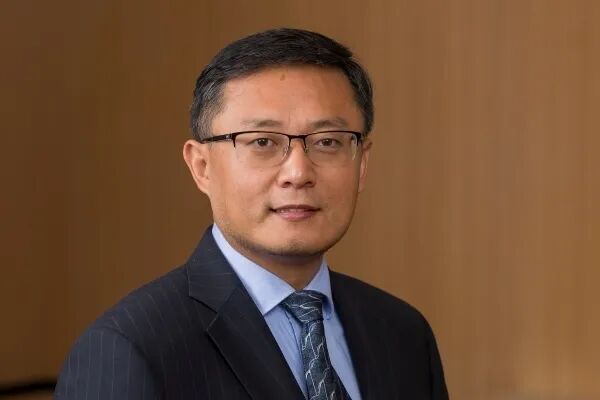
学者简介:
李善军教授现为康奈尔大学戴森应用经济与管理学院肯尼斯·罗宾逊(Kenneth L. Robinson)讲席教授,同时也是康奈尔大学中国经济研究所(CICER)联席主任、美国国民经济研究局(NBER)副研究员和环境与能源领域的著名智库未来资源研究所(RFF)的客座研究员。他1998年本科毕业于南开大学,2002年于密歇根州立大学取得硕士学位,2007年在杜克大学取得经济学博士学位。他的研究领域包括环境与能源经济学、城市与交通经济学、产业组织和中国经济问题。
参考文献:
Li, Shanjun. “Better Lucky Than Rich? Welfare Analysis of Automobile License Allocations in Beijing and Shanghai.” Review of Economic Studies 85.4 (2018): 2389-2428.
| 责任编辑 | 秦雨 |
| 中文翻译 | 庞乃琛 |
| 校对 | 李善军 |