
向佳教授谈JMP创作心得 Jia Xiang on Their Job Market Paper
本文最初于 2023 年 9 月 1 日 发布于微信公众号 Impactful Research;2026 年 4 月 28 日 同步至本网站。
Originally published on the WeChat official account Impactful Research on 2023-09-01; mirrored to this website on 2026-04-28.
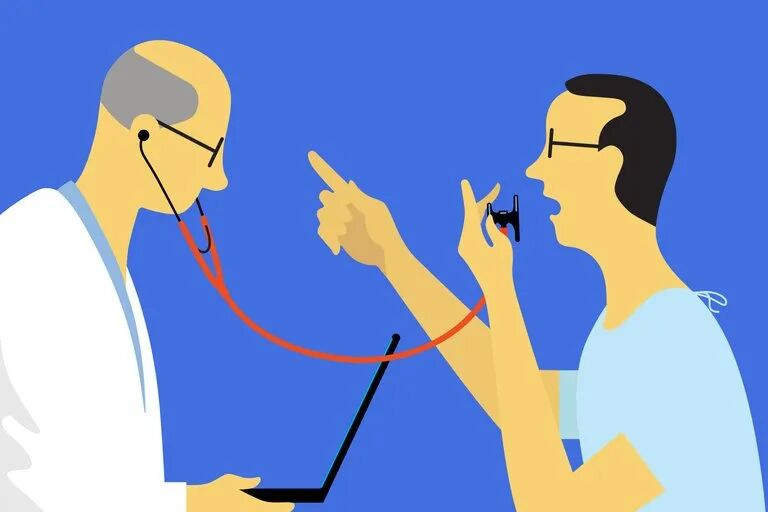
来源:Google图文
从上个找工作的季节开始,我们开辟了一个新的专题,采访那些过去几年中市场上冉冉升起的新星,听他们分享一篇有影响力的“就业市场论文”背后的故事。
这个专题的第八篇文章,我们邀请到向佳分享她的job market paper的创作历程和对青年学者及博士生的建议。向佳教授目前在印第安纳大学Kelley商学院担任助理教授,她的job market paper “Physicians as Persuaders: Evidence from Hospitals in China” 率先在信息设计的框架下,通过估计贝叶斯说服模型研究了医疗决策中的医患互动,为医疗保健市场的保险价值相关问题提供了新的政策见解。
向佳主要从事产业组织、健康经济学和应用微观经济学的研究。她的其他论文研究了中国线上医疗市场远程医疗服务的价格变化,以及美国消费信用市场逆向选择的福利成本问题。
以下是向佳教授分享的Physicians as Persuaders: Evidence from Hospitals in China 这篇文章的创作历程。
本文正文内容约八千字,全文阅读需约四十分钟
#本期访谈主要问题
1-1. 你是怎样发现这一研究问题的?
1-2. 如何看待“年轻学者不要从文献中寻找研究问题”的观点?
2. 使这篇论文受认可的主要原因是什么?
3. 写作中遇到的最大挑战是什么?
4-1. 独特的背景和经历对研究生涯的影响
4-2. 文科数学基础对读经济学博士的影响
5-1. 对年轻学者/博士生的建议
5.2. 对害羞和教授沟通自己想法的博士生的建议
6. 对就业市场候选人的建议
Q1-1:你是怎样发现这一研究问题的?之前有过其它尝试吗?
Q1-1:How did you find the research idea? Any other trials before seizing this idea?
我的研究想法产生在我博士第三年论文结束之后。当时我的研究主要集中在信用市场,但我对存在信息不对称的市场有着广泛的兴趣。因此,我自然而然地想到了医疗保健市场。
The idea was initiated after I accomplished the third-year paper. At that time, my research mainly lay in the credit market, but I was generally interested in the markets with information asymmetry. Therefore, the healthcare market naturally occurred to me.
在医疗保健市场中,当大家谈到参与者的行为时,主要有两种思考方向。通常想到的第一种是说医生比起病人掌握更多的信息,所以会有“医生诱导的需求”。 这指的是医生往往可以借用他们信息的优势,帮助病人做决定,从而诱导病人做一些其实病人并不需要的诊疗。
In the healthcare market, there are mainly two paths of thinking about participants’ incentives and behaviors. The first one focuses on physicians who possess more information than the patients. That means the physicians can take advantage of the information asymmetry, make decisions for the patients, and therefore induce the patients to do unnecessary treatments. This phenomenon of extra treatments can be called “physician-induced demand”.
另一支文献谈的是病人所面临的道德风险。 这是说病人也有他自己的财务激励,所以当他获得医疗保险的时候,他会因为自己的需求价格弹性而改变决策。换句话说,病人会因为有了保险,自己需要支付的费用降低,从而倾向于消费一些其实没有必要消费的诊疗项目。
The other stream of literature cares about patients’ moral hazard. Essentially, this is about patients’ financial incentives, as insurance coverage changes patients’ own price elasticity of demand for health care. In other words, with insurance, patients do not internalize all the care costs and face a lower out-of-pocket cost. Therefore, they tend to consume treatments that they do not necessarily need.
我当时的想法是,毕竟所有的医疗决策其实是医生和病人共同做的,他们并不是截然分开的。既然一支文献好像是说病人完全作为决策主体根据保险给自己做决策, 另外一支是说医生来做医疗决策,所以我的动机就是能不能够把这二者结合起来,更贴合现实一些。也就是说,在任何一个医疗决策的过程中,医生和病人确实是在共同商量,并向最终决策施加影响的。因此,我当时的想法是想做一个研究,来分解医生和病人在决策过程中扮演的不同的角色,并讨论他们各自对于决策的重要程度。
However, after all, all medical decisions, in reality, are made jointly by physicians and patients, and the impacts of these two parties are never fully separate. Since one stream of literature says that patients make the decision under the impact of insurance coverage, while the other argues that physicians decide for patients while considering patients’ well-being, my motivation was to combine these two perspectives. That is, in the decision-making process, the patients and physicians are cooperating together, and both parties’ incentives are impactful for the final decision. Therefore, my idea then was to conduct research to decompose the different roles that physicians and patients play in the decision-making process and discuss how important each party is.
当时感觉比较难的一点是,医患双方都有各自的财务激励。所以我想找一个情景,在那个情景中,两种激励都有相对比较外生的冲击或变化。所以当时我就想到,在中国这些条件比较有可能成立,因为我知道一些政策的变化是会改变医生的激励机制的。同时因为中国病人的医保普遍是由国家提供的,而国家提供的医保具体政策又往往根据病人的户口所在地决定。这样的机制就比美国等国家的让病人自己选保险的机制提供了更外生的变化。
One difficulty at that time was that both physicians and patients had their own financial incentives. Thus, I want to find a setting with relatively exogenous changes in both incentives. That reminded me of China, where these conditions might hold. I knew that some policy adjustments would change financial incentives for physicians. Meanwhile, the medical insurance of Chinese patients is generally provided by the government, and the patients’Hukou usually determines the specific insurance plan. Therefore, such settings seem to provide much more exogenous changes than the markets in the US, where most patients select the insurance plan for themselves.
因此,当时的努力方向就是在中国寻找合适的数据和情景,然后希望用中国的情景尽可能地把病人和医生在决策中的不同角色分析清楚。
Therefore, the direction at that time was to find datasets and a proper setting from China, and hope to conduct a clear analysis of the different roles patients and physicians play in the decision-making process.
Q1-2:有一些人建议年轻学者不要从文献中找研究问题,你是怎么看待这一观点的?
Q1-2:Some people suggest that junior scholars should not seek research idea from the literature, what do you think about this argument?
其实我的心得之一是“不要从文献里面去找问题”。 我赞同的一点是:仅仅从一两篇很经典的文章出发做一些拓展很难写出一篇比较扎实、新颖的就业市场论文。因为那用的是别人的框架,论文的贡献会比较有限。所以对于根据一两篇文章,看他们哪里可以改良,数据够不够充分,估算方法可不可以改进这样(做研究)的方式,我觉得我是刻意避免掉了的。
One of my takeaways is that “Do not seek research questions from literature”. It seems very difficult for a job market paper to be novel if it is just an extension of previously classic papers. With similar research questions and frameworks, the paper’s contribution will probably be marginal. Therefore, I intentionally avoid seeking research questions by reading one or two papers, seeing where they can be improved, whether the data is sufficient, and whether the estimation method can be enhanced.
虽然我的描述给人感觉好像是两支文献启发了我去找问题,但其实我在想这个问题的时候,确实是闷着脑子想的。 我大概知道文献里对于病人如何和医生互动如何一起做决定讲得比较隐晦,所以我在想有没有可能有一篇文章去把这两个角色的互动讲清楚,如果讲清楚了会不会有有趣的应用。我是带着这样的想法回到我想做的问题,然后再去看有没有人做过。然后我发现做的人极少,可能会有两三篇涉及到相关的问题,但是结论是我想做的还真没有人做过。
Although my description seems to say that two streams of literature inspired me, my initial ideas come from bare hands. I did not know if someone had done something specifically, and I only had the impression that the literature seems to be implicit about how patients incorporate physicians’ advice in the decision process. I started to wonder if it is possible to explicitly study the interaction between these two parties. Will there be any interesting applications? With such thoughts, I then look for literature on it. And I found that very few people have done it. There may be two or three articles about the related issues, but no one has done what I want to do.
当然我觉得闭眼想二十个、五十个(想法),可能里面会只有一两个是打开文献后发现还不错、还有潜力能做的。因为大部分这样想的结果都是人家已经做了,而且人家比你想的更好。
Of course, among 20-50 ideas, only one or two might still have potential after checking on the literature. In most cases, you would find someone else had already realized that idea, and their implementations are even better.
Q2:使这篇文章成为一篇受认可的就业市场论文的主要原因是什么?
Q2:What are the main reasons that make this paper to be a well-recognized job market paper?
我觉得是因为相对来说它比较自然。这篇文章解决了一个很自然而然的问题,就是在决策中的双方究竟是怎样进行一些互动的。从学术的角度上来说,我自己比较满意的一点是我把“贝叶斯说服”的框架用到了一篇实证的文章里。 这个应用是个创新,也用到了在我看来很贴切的情景中。
I think it is because the design is relatively natural. The paper addresses the natural question of how two parties in the decision-making process interact. From the perspective of academics, I am particularly satisfied with the empirical application of the Bayesian Persuasion or information design framework, which is considered innovative and appropriate to the setting. Explicitly modeling the physician-patient interaction in this way adds to the conversation of “physician-induced demand” and sheds new light on the design of insurance policy.
Q3:在这篇就业市场论文的写作与修改过程中,最大的挑战是什么?
Q3:What was the greatest challenge during the writing of the paper (as a job market paper)?
想不出模型是最大的挑战: 就是说应该用什么模型来构建出我脑子里想要的那种医生跟病人的互动。
The biggest challenge was to find the proper model: in particular, what model can describe that kind of physician-patient interaction in my mind.
我最初想过一系列的模型,但后来发现这些模型在设置上不是特别顺利,还有一些模型不容易估计。所以在很长时间里我的文章只有简化式(reduced-form)的证据:就是医生和患者有各自的激励,但没有一个足够好的模型探讨这两者的互动。
I initially tried other models. Unfortunately, some models did not go well with the setting. Other models are hard to estimate. Therefore, for a long time, my paper only contained reduced-form evidence: I showed that physicians and patients had their own incentives, but there was no structural model for the physician-patient interaction.
所以我试过各种版本的模型,最终确定下来也有一些偶然的因素。得益于宾州大学强大的理论研究和大量的研讨会,我偶然知道了贝叶斯说服,然后试着把它借用过来,并一步步地做一些贴近于我设计的改变。这是第一件我觉得很难的事情。
I tried many versions of models, and the determination of the final one contains some coincidences. Thanks to Penn State’s seminars and theoretical research, I happened to know about the Bayesian Persuasion, and tried to borrow it into my paper with adjustments to fit my setting. This was the first challenge.
还有一个并行的挑战是,当我应用了模型之后,我需要去解释模型它的价值。 虽然大家都知道现实生活中是病人和医生共同做决策,但是对于一个经济学问题来说这是不够的。因为大部分经济学家会认为,如果一个更简单的模型能够足够模拟现实、提供合理的预测并运用于政策分析,那么我们为什么需要一个新的更为复杂的模型?所以当我用了模型并在就业市场上去宣传它的时候,我最大的挑战便是去解释我模型的增益价值在哪里。
Another challenge was that after I applied the model, I needed to argue the value of the model. Everyone knows that the patients and physicians cooperate to decide in reality. However, for economists, if a simpler model can reasonably approximate the reality and provide reasonable predictions and policy analysis, why would we need a new and more complex framework? Therefore, when I applied the framework and started advertising it on the job market, my biggest challenge was to argue the value added of my model.
很多经济学家的思维中有一个更传统的、更被人广泛接受的“医生诱导需求”的模型,即医生会帮病人做决定,但是医生也会将患者的效益纳入考量范围之中,使医生的效益成为一个双方效益的加权平均。这似乎也能讲我想讲的故事。这个模型在某种程度上更符合简化式的表达形式。那么一个很自然的问题就是,这个模型有什么不能做的吗?或者说,新旧两个模型在各个维度上有哪些差异呢?
From many economists’ perspectives, there is a more traditional and widely accepted model for physician-induced demand, where physicians make the decision for the patients, but they also incorporate the patients’ utility into their own utility function. It seems that this model can also tell the story. Then, a natural question would be: What is the limitation of this traditional model? Or what are the differences between these two models?
我在文章中也展示了一些辅助性的比较,但我觉得在我心中最有说服力的论据是:贝叶斯说服模型在面临一些政策的时候,能够提供非常独特的见解。我的文章中提到的最主要的政策分析,就是当病人的保险更慷慨后,医疗决策和病人福利会怎样变化。在传统的模型下,因为病人自己需要付的钱少了,他会采取更多的诊疗手段。在说服模型下,病人同样会因为道德风险倾向于接受更多的诊疗。但在此基础之上,由于医生也知道保险变更的信息,医生会利用病人对价格敏感度的降低给病人更大的误导。 进一步讲,这两个模型所暗示的福利变化是不同的。像这一类的政策,是需要这样结构化的模型来进一步地揭示影响的。
I did show some auxiliary comparisons in my paper, but I think the most convincing argument is that the Bayesian Persuasion model can provide very unique insights into some policies. The primary policy analysis mentioned in my paper is how medical decision-making and patient welfare change when patients have more generous insurance. Under the traditional model, as the patients’ out-of-pocket cost decreases, they will take more treatments. Under the persuasion model, patients are also inclined to increase the treatments due to moral hazard. However, on top of the moral hazard effect, as physicians also know the information about insurance changes, they will take advantage of patients’ decreased price sensitivity to mislead patients for even more treatments. As a result, the two models have very different welfare implications. Insurance policies like this need such a structured model.
Q4-1:独特的背景和经历(本科出身艺术学院)对你的研究生涯有什么影响吗?
Q4-1:How has your unique background and experience (majoredin Art as undergraduate) influenced your research career?
我本科的专业是编导,会需要写剧本、导演作品,也会有表演的课程。我觉得我本科的专业和现在经济学的事业其实是不怎么有联系。一定要说的话,这里面可能有很多的训练,是关于从人的心理的角度,怎么样把想表达的东西做得比较自然、比较让大家接受。
I was major in movie directing and editing. I was trained to write scripts and direct work. There were also acting courses. I think there was much training focusing on understanding human psychology and how to present things you want to express more naturally and in a way that is more acceptable to everyone.
在我的经济学研究中,我时常去想怎么讲一个故事,或者设想某个场景在现实生活中会怎么样、什么样的东西大家会觉得比较精彩。这些思考与我本科的训练或许会有一些关联。
It is also possible that my undergraduate training encourages me to think more about how to tell a story, imagine how a particular scene would be in real life, or what kind of things people would find fascinating.
Q4-2:有一些本科的同学会问“读文科,数学学得少,是不是就不能读经济学博士了?”请问你觉得会有影响吗?
Q4-2: Some undergraduate students will ask, “Withlimited mathematics trainings, will there be barriers for me to study for aPh.D. in economics?” What do you think about it?
我觉得确实是有困难的。比如在我刚转到经济的时候,因为基础不够,所以我需要跟上的东西很多,有很多东西我需要花更多的时间去理解。这个时候,有一个好的室友或是学习小组是很重要的。
I think it will be indeed more difficult. For example, when I first switched to economics, I needed to catch up with many things because of my lack of background. And I needed to spend more time to understand a particular concept. During a time like this, it is very important to have a good roommate or study group.
回到文科生能不能学经济的问题,我觉得可能得分方向和能不能在专业中找到让自己生存下去的一些技能。 我一直觉得我不太能够去做一些特别需要数学的研究,我可能成为不了一个理论学家。但我在文科生里面算是比较特别的,我会觉得数学、模型、统一的东西特别美。在双学位学经济学的时候,对于一些微积分、中级宏观和微观的课程,我是很感兴趣的,我觉得这些内容有它的价值。可能是这种动机让我尽量地克服数学的部分。
Back to the question of whether students in arts are recommended to study economics, the answer may vary a lot by the subfields and whether you can find skillsets to survive in this major. I may not be able to do research that requires intense mathematics, and I might never be able to be a theorist. But I might be a special one among arts students: I think mathematics, models, and unified things are extremely beautiful. When studying economics as my second major, I was fascinated by courses like Calculus, Intermediate Microeconomics, and Intermediate Macroeconomics. I found these contents valuable. Probably it is this motivation that makes me try to overcome the math part.
后来,一旦我想要去回答某个问题或是做某件事,我会想办法去看看怎么补起来我需要的知识。所以哪怕是文科生,有了这样的动力,数学背景的欠缺应该不是一个问题。
Whenever I want to answer a question, I will try my best to catch up with the knowledge I need. So, even if you are an arts student, with such motivation, I do not believe the lack of a mathematics background should stop you from pursuing a career in Economics.
同时,因为经济学也很讲求与别人的合作和交流,所以我觉得我很大程度上受益于其他经济学家,因为他们很多都有统计、数学、建模的背景。所以,我可以带着我的直觉和逻辑去交流,然后会有人建议“如果你是这样想的,你不妨尝试这种方法,或是说你应该去找谁”。在这个过程中我觉得我和大多数同事是非常互补的,我也很享受这个过程。我不把它看作是一个障碍,因为我觉得会有很多人帮我。
Meanwhile, I have benefited a lot from communicating with other economists. Many of them have a solid background in statistics, mathematics, and modeling. So, I can bring in my intuition and logic, and then some people will come forward and say, “If that’s what you think, you might try this approach or technique, or talk to this person”. In this process, I find that most of my colleagues and I are perfectly complementary, which I greatly enjoy. I don’t see it as a hurdle because I feel like there will be many people helping me.
Q5-1:您对于青年学者创作有影响力的高质量研究有什么建议?
Q5-1: Do you have any advice for junior scholars on how to produce impactful high quality research?
我觉得提问或是交流其实是一个非常重要的事情。 一开始我也觉得别人可能会认为我问的是一个非常简单、基本的问题。但我后来慢慢发现,别人并不会觉得这是一个很基础的问题,相反我的一些想法可能也能给对方一些启发,然后他能更好地帮助我。所以我觉得与人的讨论,不管是请教问题还是印证之前的想法,对于我的整个研究是很重要的。
I think asking questions or communicating is of vital importance. Initially, I thought some questions might be too “trivial” or “basic”, but later I realized that other people might not consider my questions as trivial. Instead, some of my innovations might also inspire them, and then they could help me even more than I expected. Therefore, I think discussions with others are very crucial to my whole research.
我在读博士的时候其实有一个习惯,我只要有一些进展就会先找我的老板聊(他们是做产业组织的,也有一些医疗保健产业的工作)。然后我会找其他领域的(学者)聊,包括理论的、宏观的,我都会去聊,我发现他们能给我很多不同的视角。这样我就有两个好处:第一,有很多我想要去请教的问题被实实在在地解决了;第二,你发现有一些你纠结了很久的问题其实并不重要。 有的时候别人会觉得你问的这个问题不重要,但却对叙述过程中提及的另一些地方感兴趣,并引导我往那个方向思考,我在这个过程中也有很多收获。
I had a habit during my Ph.D. study: once I made some progress, I would first talk to my supervisor. Then, I would also talk to people in other fields (theory, macro, etc.), and they could give me many different perspectives. Through these interactions, I got two benefits: first, many questions that I wanted to ask were perfectly solved; second, some questions that I had struggled with for a long time turned out to be not as interesting. Sometimes, people would be interested in other parts of my description other than the question, leading me to think in a more ideal direction. There are a lot of gains in this process.
长久而言,包括上就业市场,我们面对的是所有领域的经济学家。多与各种领域的人交流也能了解到怎么样能够更清晰地解释自己的工作。 当然这个过程中,也很感谢宾州大学的老师们和同事们真的愿意抽出很多时间来和我交流。
In the long run, we will be facing economists from all fields. Communicating with people in various fields can also help us understand how to explain our work more clearly. Of course, during this process, I am also very grateful to the Penn State professors and peers who spent a great amountof time with me.
Q5-2:一些博士生可能会比较害羞于与教授沟通自己的想法,你对他们有什么建议吗?
Q5-2: Some PhD students might be shy about communicating their ideas with the professors, do you have any suggestions for them?
我觉得有想法得尽早去聊。因为如果当我想到一个问题,但那个问题其实并不值得研究,而我都已经开始写初稿了,那不是浪费时间吗? 一定要说服自己最大化地利用你自己的时间:在早期的时候让别人去否定掉一些不切实际的想法,然后真正地专注在一些大部分人都认为有潜力、感兴趣的东西上。
In my opinion, if you have an idea, you should discuss it with others as soon as possible. Because if that research question is not worth studying for the majority, developing the paper will be a waste of time. Therefore, be sure to maximize your own time: let others negate some unrealistic ideas at the very beginning, and then focus on something most people think has potential.
所以如果我想到一个有可能性的问题,我就会去找人做一下确认。学术圈的大部分人都会给出非常诚实和中肯的反馈。 当然在这个过程中我不会随意抓着一个教授,我会去找一些比较信任的同事或前辈。等这个想法完善到一定程度了,我也会去找其他的教授聊一聊。
Thus, once I have an idea, I will find someone to do a sanity check or gauge the general interest. Most scholars give very candid feedback. I might not directly ask a professor, but I will turn to some trustworthy peers or seniors. Once I have polished that idea to some extent, I can ask for more comments from other professors.
Q6:您对于正在就业市场上找工作的候选人们有什么建议吗?
Q6: Do you have any suggestions for job market candidates?
以我自己的经验来谈,我觉得首先是我有练习怎么样去尽可能地去打动更多的经济学家。 我导师,Paul Grieco、Daniel Grodzicki和Mark Roberts,给到很多很重要的提示:比如说,简介和引言是写给每一个经济学家的,不是写给做产业组织的人的,也不是写给一个具体的人的。
From my experience, I think I did practice engaging as many economists as possible. My committee, Paul Grieco, Daniel Grodzicki, and Mark Roberts, had given me important tips. For example, the abstract and introduction are for every general economist, not only for the industrial organization folks or a particular person.
就业市场上大家的时间很宝贵,所以最开始难的一点就是怎么样把想讲的说清楚。 所以我需要花时间去想怎样直观地把文章解释清楚, 让经济学家都能够理解的语言表现出来。我觉得这是我在一开始忽略的但又很重要的事。
In the job market, everyone’s time is precious, so the first difficult point is to express yourself clearly. Therefore, I need to think carefully about how to illustrate the paper intuitively so that every economist can follow. I think this is very important, but it was overlooked initially.
有可能的话,这件事情可以早一点开始。现在我写文章的时候也会努力照着这个方向写,从读者的角度把事情讲清楚。这是一件很难的事情,我也还在学习,但我觉得先有这个意识是很重要的。
If possible, we should practice writing from the readers’ perspectives as early as possible. It is a hard task, and I am still learning by doing, but I think it is important to develop such an awareness from thebeginning.
还有一点是,要始终对自己做的东西保持兴奋和自信, 尤其要在面试时体现出来。 当做展示或者谈话的时候,不管是线上还是线下,你的脸部表情,肢体语言,乃至于你说话是不是足够有交谈感等等,都会影响大家的评价。所以我觉得一旦就业市场文章写得差不多了,就需要花相当一部分时间去掌握展示的技巧。
Moreover, the other point is to be excited and confident about your work, especially during interviews and flyouts. In every conversation or presentation (Zoom or in person), there is much more to pay attention to: facial expression, body language, whether being conversationa, etc. Therefore, when the job market paper is ready, it is helpful to spend a considerable amount of time polishing presentation skills.
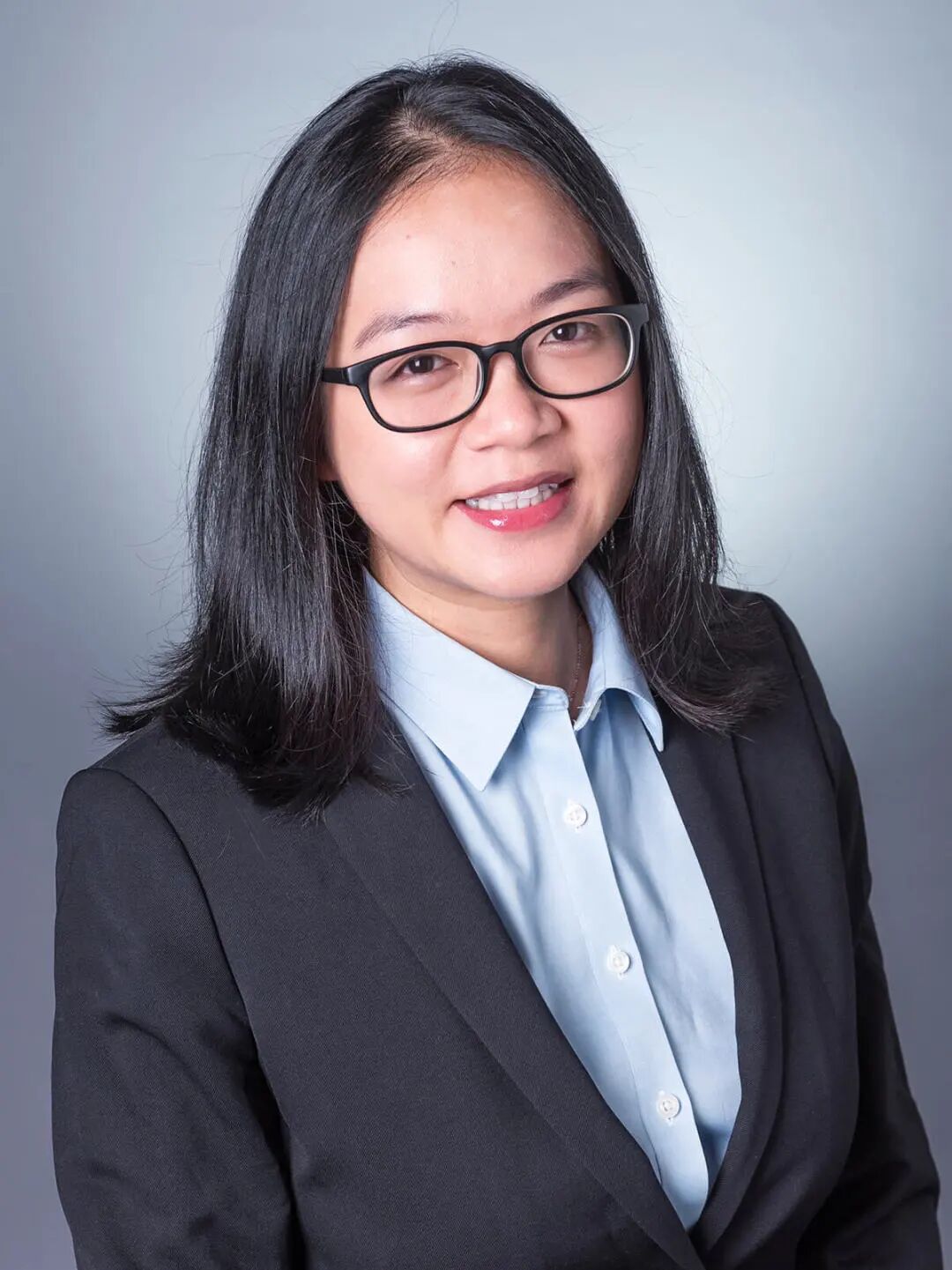
学者简介:
向佳目前是印第安纳大学Kelley商学院商业经济学与公共政策系的助理教授。此前,她于2012年在北京大学取得本科影视编导和经济学双学位,2015年在中国人民大学取得经济学硕士学位,2020年在宾夕法尼亚州立大学取得经济学博士学位。她的研究领域包括产业组织、健康经济学与应用微观经济学,特别是信息在医疗保健和消费金融中的作用。
参考文献:
Xiang, J. “Physicians as Persuaders: Evidence from Hospitals in China.”
| 责任编辑 | 李明、施展 |
| 整理翻译 | 施展、庞乃琛 |
| 校对 | 向佳 |