
薛萌教授谈QJE(2021)创作心得 Meng Xue on QJE (2021)
本文最初于 2023 年 4 月 6 日 发布于微信公众号 Impactful Research;2026 年 4 月 28 日 同步至本网站。
Originally published on the WeChat official account Impactful Research on 2023-04-06; mirrored to this website on 2026-04-28.
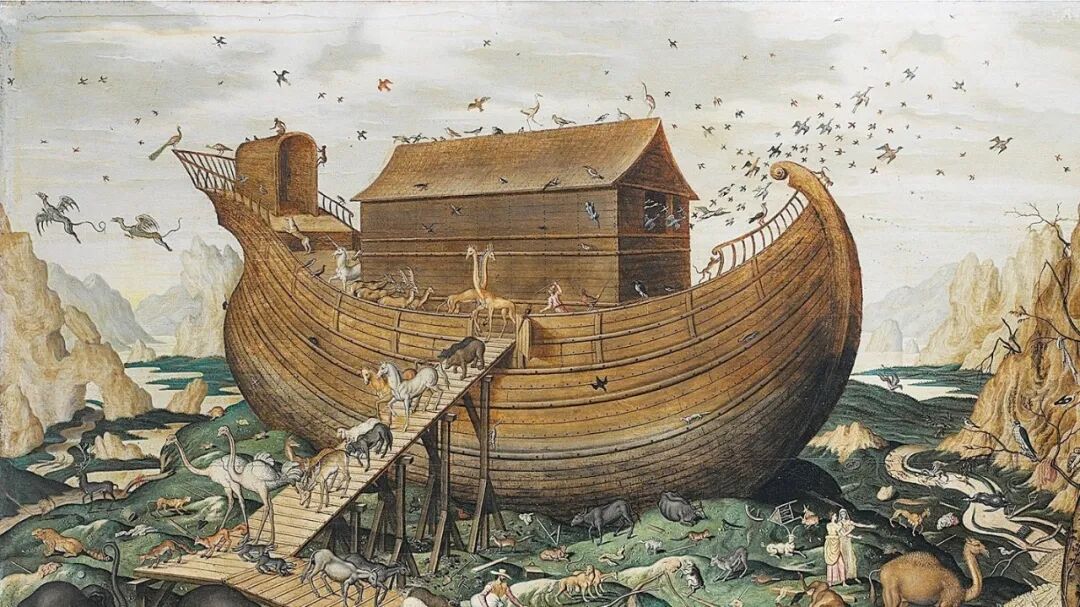
来源:Google图文
这个公众号的第十六篇文章,我们很荣幸邀请到伦敦政经学院的薛萌教授分享她于2021年发表在经济学顶级期刊 Quarterly Journal of Economics 上关于民间故事的文章。截至本文刊发时间,该文章在Google Scholar的引用量已超过70次。
以下是薛萌教授分享的 Folklore 这篇文章的创作历程。
本文正文内容约六千字,全文阅读需约二十分钟
#本期访谈主要问题
1. 如何想到这个研究问题的?
2. 民间故事对童年或人生观的影响
3. 文章具有影响力的主要原因
4. 数据收集过程中遇到的挑战,并如何克服?
5 & 6. 关于机器学习和ChatGPT的应用
7. 写作和投稿中遇到的挑战
8. 审稿人有没有就内生性提出问题?
9. 为什么是“女娲补天”而不是“男娲补天”?
10 & 11. 推荐阅读书目和给读者们的建议
Q1:您是如何想到这个研究问题并呈现为一个经济学问题的?
Q1: How did you identify this idea and frame it into a general economic question?
我一直在研究文化,我念博士时写的那几篇关于中国经济史的文章都是在研究文化,所以从文化的角度去思考对我来说很自然。另外,关于叙述的重要性,不管一个国家有没有文字,都是存在这个问题的。所以,一是我本身就对文化有兴趣,二是不仅是文化本身,我觉得叙述的一般性也比较有意思。
I have been studying culture for a long time, and the papers I wrote on Chinese economic history during my doctoral studies were actually also about culture studies. Therefore, it is natural for me to think from a cultural perspective. In addition, the importance of narrative can be recognized regardless of whether a country has a writing system or not. So, basically, there are two points: one is that I am naturally interested in culture, and the other is that the generality of narrative is also quite interesting to me.
Q2:中国的民间故事有对您的童年或者人生观的形成有什么影响吗?
Q2: Do Chinese folklores have any impacts on your childhood or view of life?
我觉得会有一点的。我最近又开始看一些像民间故事和性别的问题,女娲补天是一个很有意思的例子。你会发现,像我们这种有漫长历史、发展程度比较高的社会,这类故事其实是比较少的。大部分发展程度高的社会都是一神教的,一神教的社会虽然有这些故事,但是相对来说会比较边缘化。但在我们国家的话,其实没有太多的其他宗教来影响,这些民间故事就会有很大的影响。我觉得我们国家其实是个不错的例子,你会发现其实女性也可以处在造物主的位置,这其实是一个非常大的影响。 而且你看我们的地图,你会发现其实中国的女性地位是比较高的。可能不是说给女性很多好处、保护,而是会把女性看得比较重要,或者是不对她们有所谓能力上的怀疑。我觉得其实和一些故事是有很大关系的。
I think there is some truth to this. Recently, I have been looking into issues like folklores and gender, and one interesting example is the Chinese myth of “Nüwa mending the sky.” You will find that in societies like ours with a long history and relatively high level of development, such myths are relatively rare. Most highly developed societies are monotheistic, and although there are such myths, they tend to be marginalized. However, in our country, where there are not many other religions to influence us, these folklores can have a significant impact. I think China is a good example of this, where you can see that women can also occupy the position of creator, which has a very significant influence. Additionally, if you look at our map, you will find that the status of women in China is relatively high. This may not necessarily mean that women are given many benefits or protections, but rather that they are considered important and not doubted in terms of their abilities. I believe that these folklores have a significant relationship with this.
Q3:您觉得这篇文章具有如此重大影响力的主要原因是什么?
Q3: From your perspective, what are the main reasons that make this paper a high impact research?
我感觉除了文化经济学或者比较发展经济学,可能也影响了经济史和行为经济学。我觉得这是因为做这些领域的学者和我们一样意识到所谓经济人的模型是局限的,他们之前也和我们一样没有很好的办法把这些差别表达出来。我觉得 Folklore 会变得有比较大的影响的话,主要是因为它有一个简单的办法把这个差别体现出来。这些民间故事确实和大家相信的东西是有一致性的,这其实是令人意外的,尤其是像我们这些发展程度更高的国家,我们会觉得这些故事似乎不重要,或者是大家不觉得它们是真实的,但其实你都能看到这些故事有很多潜移默化的影响。
I feel that apart from the cultural economics and comparative development, economic history and behavioural economics may also be influenced by Folklore. Researchers in these fields, like us, realize that the economic agent model is limited, and they also struggle to express these deviations in a satisfactory way. The reason why Folklore may have a significant impact is that it offers a simple way to illustrate these deviations. These folklores are indeed consistent with the beliefs of the people, which is surprising, especially in more developed countries where these folklores are often dismissed as unimportant or unrealistic. Nevertheless, these folklores have many subtle influences that are difficult to ignore.
所以总的来说,是因为它确实和一些经济学里面的分支有很多千丝万缕的关系,然后又为文化经济学这个特殊的小领域解决了一个我们这一群人很长时间都没有解决的问题。 比如Ben Enke也在研究类似的问题。但他们是做一些类似于全球性的调查,肯定很难说对各个国家都有一些了解、有一个大家都熟悉的形式。我觉得这是一个让我们与众不同的地方。
In summary, Folklorecan have a significant impact because it is related to many branches of economics and solves a problem that has puzzled many researchers in the field of cultural economics for a long time. For example, Ben Enke is also studying similar issues, but they conduct global surveys, and it is difficult to find a familiar form that is well-known in every country. This makes us unique.
Q4:您在数据收集过程中有没有遇到什么挑战,又是怎么克服的呢?
Q4: Did you have some challenges when collecting the data and how did you solve them?
主要的难点倒不是在于我们收集了很多种不同的数据,而是说我们收集的是一种很奇怪的数据。因为这个数据本身涉及不同的国家和不同的故事,而且故事和国家的关系又是一个双重的关系,就是一个国家会有这一系列的故事,但是这一系列的故事也会在另外一个国家出现。 这种情况下要怎么把这个数据用起来,是比较难的,我也从来没接触过这种类型的数据。
The main difficulty is not that we have collected many different types of data, but rather that we have collected a very special type of data. This data involves different countries and their respective folklores, and the relationship between folklores and countries is a many-to-many mapping, meaning that a country may have a series of folklores, but the same series of folklores may also appear in another country. It is challenging to utilize this data, as I have never utilized this type of data before.
这个数据最难的一点是在于它其实要加总好几次,我们需要知道怎么处理才更合理、更不容易导致误差。这个点是比较难,因为没有人告诉过你这个故事怎么加总到民族或者国家的层面。比如灰姑娘的故事,你会发现灰姑娘的故事在很多国家都有,你的难点最后就落在了解灰姑娘的故事是关于什么的问题。这个很难,因为一个故事可以说明很多原理。我们就想如何把这个故事联系到这个原理。而且不仅是这个故事本身,还要用它来理解这个故事所在的社会或者国家。 所以你要思考什么是合理的,你需要有一些常识,你要避免使用一些放大误差的方法。这个其实和经济史研究倒是比较相关,因为经济史常常会遇到不好的数据,你就要思考如何避免选到一个不好的方法,从而避免放大这种不好数据的问题。
One key challenge is that our data needs to be aggregated multiple times, and we need to know how to handle it in a way that is more reasonable and less likely to lead to errors. This is difficult because no one has told us how to aggregate these folklores at the level of, for example, ethnicity or country. For example, the folklore about Cinderella, and then we may find that this folklore exists in many countries. The difficulty lies in understanding what the folklore of Cinderella is about. This is difficult to do because one folklore can explain many principles, and we want to know how to link a folklore to a particular principle. Moreover, not only to understand the folklore itself, but also to understand the society or country in which the folklore is from. This is actually related to economic history research, because economic history research often encounters bad data, and you need to think about how to avoid choosing a bad method and thereby avoid amplifying the problem of bad data.
Q5:您这篇文章里面用到很多比较新的方法,比如机器学习,您当时是怎么考虑用这些方法的?
Q5: You used a lot of new methods in this paper (e.g. machine learning). How did you consider using these methods?
一个原因是读这些故事其实非常难,尤其当你想了解它的总体含义时。有很多故事是明显地不在你的认知体系里的,这也说明了不同民族的思想差异。有一些故事类型汇总出来发现非常集中分布在某一些社会,然后这些社会确实和我们很不同。
One reason is that it is actually very difficult to read these folklores, especially if you want to understand their overall meaning. There are many folklores that are clearly not within your cognitive system, which also illustrates the differences in the thoughts of different ethnic groups. When some types of folklores are compiled, it is found that they are very concentrated in certain societies, which are indeed very different from ours.
所以这种时候机器是有优势的,因为机器可以把这些故事分解成很多更简单的部分,这些部分是机器可以读的,所以其实就避免了人读这些文本时会产生的偏见。 为了避免这种偏见也是一个原因。
So in this case, machines have an advantage because they can break these folklores down into many simpler parts, which the machines can read. This actually avoids some of the biases that might be present when people read these texts. Avoiding such biases is also a reason why machines are used in this context.
然后我们希望有一种不重不漏的方法,把这些故事分类一下。但人为地去分类肯定会漏掉一些东西,所以最后我们觉得这是一个比较重要的飞跃,就是在于我们觉得可以用一些经常出现的英语词来分类,这个策略可以保证你把所有的信息都提取出来,放在各个类别里。
Then we hope to have a method that is comprehensive and inclusive to categorize these folklores. However, manually classifying them will certainly miss some parts. Therefore, in the end, we think it is a significant leap forward to use a classification method based on frequently occurring English words. This strategy can ensure that all information is extracted and placed in various categories without omission.
所以有两个原因,一个是因为不是每个故事都是同等程度地容易理解,第二个是让人来读的话会有很大的误差,这个时候机器就有优势。 我们把信息全部提取出来,以后想要研究什么都可以从中取出,所以就相当于是准备好了一份已经加工成不同类别里的民间故事的翻译,为将来的研究提供了更多的可能性。
So there are two reasons, one is that not every folklore is equally easy to understand, and the second is that there can be a lot of biases if humans are used to read them. This is where machines have an advantage. We extract all the information and put them into different categories, so it’s like preparing a translated version of folklores that have already been processed into different categories, and make it convenient for future research.
Q6:ChatGPT能不能够更好地帮助读故事与分析故事的道理?
Q6: Can ChatGPT help you read the folklore and figure out what the folklore is saying?
我觉得是一种可能性。但问题会在于,和基于相关词的方法相比,用ChatGPT的这个方法的可重复性要低一些。因为ChatGPT每次的结果都有点不太一样。其次是ChatGPT加工出来的结果也还是存在同样的问题,其依然是一个高维度的结果,它会告诉你一个总结,关于这个故事讲了什么。但这对我们来说还不够,因为我们是希望把故事拆解,所以你还是要再进行分类。
I think it’s possible. However, I think the repeatability of ChatGPT-method is relatively lower, compared to the word-based method. This is because ChatGPT’s results tend to vary slightly each time. Additionally, the results generated by ChatGPT still have the same problem of being high-dimensional. It will give you a summary of what the folklore is about, but that’s not enough for us because we want to break down the folklore into its component parts, so we still need to do some additional classification.
Q7:在写作和投稿的过程中有没有遇到比较大的挑战?
Q7: Did you encounter some tough challenges in the process of writing and submission?
投稿的过程总体来说是比较顺利的,问题是在于我们的审稿人也对这个领域知之甚少。怎么样把一个陌生的东西给说明清楚,这是一个问题。这其实和研究中国有类似的地方,因为中国问题,尤其是中国史,是大部分人不了解的,在这种情况下你要如何把一个研究的价值完全解释出来,这个是比较困难的。 我们还是介绍了一些现有的文献,把这个领域去认真研究了一遍。审稿人肯定会有一些既有的想法,比如说他们会觉得奇怪,说既然民间故事都存在那么久了,为什么没有人研究过。但确实是没有人从这个角度研究过,因为民间故事的研究者都不感兴趣这种所谓“大规模证据”的方法,他们有自己的研究方法和研究目的。
Submission was overall a smooth process, but the challenge was that our reviewers were not familiar with this field. Therefore, explaining the research value of our study clearly was a problem. This is similar to doing China research, especially Chinese history, which is not well understood by most people. In such situations, it is difficult to explain the value of the research. We introduced some existing literature and carefully studied the field. Reviewers may have had some preconceived notions, such as finding it strange that nobody has studied folklore before. However, in reality, nobody has studied it from this perspective because folklore researchers are not interested in the so-called “large-scale evidence” method. They have their own research methods and objectives.
但我们的审稿人非常聪明,你可以想象这是像Ben Enke这样的研究文化的审稿人。他们会非常明确地坚持说想看到这些民间故事和文化、价值观的关系,这个部分是比较难的,也是慢慢完善的。 包括我们后面有一个人工的部分,那个也比较难。一开始我们存在一些幻想,觉得是不是可以完全用机器来做。但这个幻想很快就破灭了,因为比如说这个故事是关于什么的,是不是关于诚实这些,机器是没办法读出来的。
However, our reviewers are very intelligent. You can imagine them as Ben Enke-like reviewers, who are very knowledgeable about culture. Theyfirmly insisted on understanding the relationship between these folklores and culture as well as values. This aspect was difficult but gradually improved. This includes a manual component, which we initially hoped could be entirely done by machines. But this fantasy was quickly shattered because machines cannot comprehend what the folklore is about, such as whether it is about honesty.
当时我们觉得为了做到这一点,不引入其它的信息是不太可能的。所以最后我们一致同意用人工的方法吧。并且你也不能问这个故事是不是关于诚实的,而是说要把它分解成更小的问题,更不容易引起歧义。所以让人遵循引导,就可以有一个相对简单的是与非的回答。
At the time, we felt that it was unlikely to achieve this goal without introducing additional information. Therefore, in the end, we unanimously agreed to use a manual approach. Wecannot simply ask whether the folklore is about honesty, but rather we need to break it down into smaller questions that are less ambiguous. So, by guiding people to follow a certain instruction, we can have a relatively simple yes or no answer.
我们的审稿人坚持说需要解决这个问题,这确实也是文章最主要的贡献。 我们花了很长时间来做到这一点,首先得一致同意,承认这是一个人工的问题,然后再想出来一套可行的、读者愿意接受的办法。
Our reviewers insisted on this issue, which is indeed the main contribution of our paper. We spent a long time to achieve this, first agreeing that it was a manual problem, and then coming up with a feasible and acceptable approach.
Q8:审稿人有没有给你们提出关于内生性的问题?
Q8: Did you have some challenges from reviewers about endogeneity problems?
这其实倒是没有。我们的审稿人其实非常通情达理,他们知道我们的主要贡献是在于提供一种将过去和现在的价值观联系起来的视角和方法。 这本身并不涉及因果性的问题。当然,未来的研究,是可以对这项研究继续扩展的。
Actually, this is not a big issue. Our reviewers are actually very sensible. They know that our main contribution is to provide a perspective and an approach that connects past and present values. It doesn’t involve causality problem. Of course, future research could be conducted based on this research.
Q9:为什么在中国会出现“女娲补天”而不是“男娲补天”的故事?
Q9: Why “Nüwa mending the sky”, instead of “Nanwa mending the sky”?
我们文章本来有一个部分是可以解释这个问题的,就是关于最早的时候,古代的这些想法是哪里来的,或者决定因素是什么。比如说你有一些地理因素,你可以看地理因素是不是和女娲补天有联系。我们一开始还研究过类似的,比如说有的社会会比较重视闲暇时间,那是因为他们到最近都是狩猎采集制的,这会是一个原因。像中国为什么会有“女娲补天”的故事,我会知道一些明显的决定条件,最重要的原因可能也是因为我们没有经历一神教的变迁。
Our paper originally had a section that could explain this issue, which is about where these ancient ideas came from and what the determinants were. For example, if you have some geographical factors, you can see if they are correlated to the myth of “Nüwa mending the sky.” We have also studied similar topics before, such as one reason why some societies attach importance to leisure time was that they were hunter-gatherers until recently. As for why there is the myth of “Nüwa mending the sky” in China, I would have some obvious determinants in mind, and the most important reason may be that we have not experienced the transition of a monotheistic society.
很重要的一点,就是故事诞生时的情况到如今肯定是变化很多了,因为这些故事其实很老了,通常都是至少几千年上万年的故事。不管当时是什么环境,现在都已经发展得截然不同了。如果我们还发现其中有影响,那确实很大程度上是因为这些故事。 我觉得这也是为什么审稿人没有强调太多,因为你会知道历史环境既然有明显的很大的变化,而我们还能发现这些故事和当代的价值观有很大的联系的话,这确实可以被认为是一个标志。
It’s an important point that the environment at the time when these folklores were created has certainly changed a lot to this day, as these folklores are usually at least thousands of years old. No matter what the environment was at that time, it has developed radically differently. If we still find some influences, it is largely due to these folklores. I think this is also why the reviewers didn’t emphasize too much, because they knew that since there have been obvious and significant changes in historical contexts, if we can still find significant correlations between these folklores and contemporary values, it can be considered an indicator.
Q10:如果有学者对文化经济学感兴趣,您有没有一些推荐的阅读书目或者建议?
Q10: For young scholars who are interested in cultural economics, do you have any recommendation, like to-do lists or reading lists for them?
关于阅读书目的话,这个领域有几个人研究这个问题比较早,比如Raquel Fernández ,他之前就提出研究移民的价值观来看母国的价值观,这个是比较早的方法上的创新。然后就是像Paola Giuliano和Nathan Nunn ,我自己觉得他们的作品对我们有很大的启发。
Regarding the reading list, there are several early researchers in this field, such as Raquel Fernández. He previously proposed studying the values of immigrants to understand the values of their home country, which was an innovative method at the time. Then there are researchers like Paola Giuliano and Nathan Nunn , whose works inspired us greatly.
Q11:您还有别的想和读者朋友们说的吗?
Q11: Anything else you would like to say to your readers?
我可以鼓励一下大家试一下做一些这种没有一个特别确定的结果,也比较高风险的问题,能有这样的机会还是挺好的,我觉得这个方面我没有很大的后悔。 但同时也可能大部分时候,因为客观的因素,我们不能这么做,因为大家确实有一些马上要实现的目标。但无论如何,有机会的话,大家还是应该去抓住一些这样的机会,能够做一些这种类型的研究。
I would encourage everyone to try to tackle some high-risk, uncertain problems. Having such opportunities is a great thing, and I don’t have a great regret at my decision. However, it may not always be possible due to objective factors, as people may have immediate goals to achieve. Nonetheless, if given the chance, it is worthwhile to seize opportunities to pursue this type of research.
还有一个问题是关于中国学者研究非中国问题的信心。由于殖民统治的长期影响,西方视角在学术研究中占统治地位,大部分时候研究非洲的基本上也不是非洲人而是欧洲人。这其实很大程度上也压缩了其它地区来的学者的空间。但我觉得东方的视角和主流观点是有很大的互补性的,未来的话希望我们应该想到更多的方法把我们的观点表达出来。我们会受到偏见和质疑,就好像女性做男性领域的问题,你不会一上来就被认为是专家。初始条件不利,怎么深入这个领域,树立一个专家的身份,我觉得也是一个挑战。我们学者来自于不同的体系,唯一能做的是在于你应该要争取更多的互相了解。虽然主流是西方的系统,但在这个系统下表达一些能让大家接受的外来的声音,也不是不可能的,大家还是愿意倾听的。
Another issue is the confidence of Chinese scholars in studying non-Chinese issues. Due to the legacies of colonial rule, academic research is dominated by a Western perspective, the people studying Africa were not Africans but Europeans. This has greatly restricted the space for scholars from other regions. However, I think that the oriental perspective are complementary to the mainstream views, and in the future, we should think of more ways to express our views. We will face prejudice and scepticism, just like women working in male-dominated fields, who are not immediately recognized as experts. The initial conditions are not favourable, and how to deepen our understanding of the field and establish an expert identity is also a challenge. As scholars coming from different systems, the only thing we can do is to strive for more mutual understanding. The mainstream system is Western, but expressing voices is not impossible, people are still willing to listen.
我现在也会做一些中国民间故事的研究(预告一下),可能会和陈志武老师考虑有一些合作。总之我对这个领域还是有兴趣的,会做更多的研究,这和我做中国经济史也比较互补,我们会持续地关注一些相关的问题。
I will be also conducting some research on Chinese folklores in the future, and there may be some work with Professor Zhiwu Chen. Overall, I am still interested in this field and will continue to conduct more research. This is complementary to my work on Chinese economic history, and we will continue to pay attention to related issues.
最后再介绍一下LSE的Economic History PhD 项目,因为目前的在读学生中没有做叙事研究的,所以未来几年我们欢迎有类似背景或是打算做这个方向的学生申请。
By the way, let me briefly introduce the Economic History PhD program at LSE. Since there are currently no students working on narratives, in the next few years, we welcome students with profiles in narratives research or those who are interested in this area.

学者简介:
薛萌目前在伦敦政经学院担任经济史助理教授。此前,她于2009年在复旦大学取得本科学位,2010年在克莱尔蒙特麦克纳学院取得硕士学位,2015年在乔治梅森大学取得博士学位。她的研究领域包括政治经济学,性别,叙事和传统,以及近代早期和近代中国。
参考文献:
Michalopoulos, Stelios, and Meng Xue. “Folklore.” Quarterly Journal of Economics 136.4 (2021): 1993-2046.
| 责任编辑 | 秦雨 |
| 整理翻译 | 庞乃琛 |
| 校对 | 薛萌 |