何国俊教授谈Science(2023)创作心得 Guojun He on Science (2023)
本文最初于 2024 年 12 月 21 日 发布于微信公众号 Impactful Research;2026 年 4 月 28 日 同步至本网站。
Originally published on the WeChat official account Impactful Research on 2024-12-21; mirrored to this website on 2026-04-28.

来源:Google图文
这个公众号的第二十二篇文章,我们很荣幸邀请到香港大学的何国俊教授分享他2023年发表在顶级期刊Science上关于配送订单平台推动环保行为的文章 Reducing single-use cutlery with green nudges: Evidence from China’s food-delivery industry
以下是何教授分享的Reducing single-use cutlery with green nudges: Evidence from China’s food-delivery industry 这篇文章的创作历程。
本文正文内容约七千字,全文阅读需约12分钟
#本期访谈主要问题方向
1. 最初是受到什么启发而开始这一研究的
2. 和阿里巴巴等公司合作研究的经验
3. 经济学期刊和科学类期刊的差异及如何选择
4. 对年轻学者的建议
Q1:请问您最初是受到什么启发而开始这一研究的?配送订单平台的这个功能变化看起来只是个小变化,是什么促使它演变成这样一个重要的研究?
Q1:What inspired you to pursue this research idea? A change of function in delivery ordering platforms might seem minor at first glance—how did this evolve into such an important study?
我们与亚洲开发银行(ADB)和阿里巴巴有一个长期的研究协议,旨在利用数字平台推动环保行为。疫情期间,外卖行业迅猛发展,产生了大量一次性垃圾。许多消费者并不需要一次性餐具,但商家默认会提供。这不仅造成了资源浪费,还带来了大量塑料垃圾。 由于政策层面上减少一次性餐具的成功案例较少,我们决定研究如何在阿里巴巴的外卖平台“饿了么”上促进减少一次性餐具的使用。
We have a long-term research agreement with the Asian Development Bank (ADB) and Alibaba, aimed at promoting environmentally friendly behaviors through digital platforms. During the pandemic, the food delivery industry experienced rapid growth, resulting in a large amount of disposable waste. Many consumers do not need disposable utensils, but merchants provide them by default. This not only leads to resource waste but also generates a significant amount of plastic waste. Due to the lack of successful cases at the policy level to reduce disposable utensils, we decided to study how to promote the reduction of disposable utensil use on Alibaba’s food delivery platform ‘Ele.me’.
Q2:所以您是在有这个想法之前就已经跟阿里巴巴有这样一个合作上的协议了是吗?
Q2:So you already had such a cooperation agreement with Alibaba before you had this idea, right?
是的,协议的目的是开展关于平台推动绿色行为的研究。 协议下有多个课题组,我们这一组专注于外卖平台的研究。除了已经发表的研究,我们还有其他实验也在进行中,未来会与大家分享这些研究成果。
Yes, the purpose of the agreement is to conduct research on how platforms can promote green behaviors. There are multiple research groups under the agreement, and our group focuses on the study of takeout platforms. In addition to the research that has already been published, we have other experiments underway, and we will share these research results with everyone in the future.
Q3:您能分享一些与像阿里巴巴这样的公司合作研究的经验吗?在与这些行业伙伴合作的过程中(或者建立合作的过程中),您获得了哪些宝贵的经验或遇到了哪些挑战?
Q3:Could you share some insights from your experience collaborating with companies like Alibaba? What have been the most valuable lessons or challenges from working closely with these industry partners?
我们与ADB和阿里巴巴的合作是较为系统性的,普通研究人员可能没有这样的条件。但阿里巴巴有一个面向研究合作的开放平台,即使不通过我们这样的合作模式,也可以通过阿里的数字经济开放研究平台[1](https://www.deor.org.cn/index)提交申请以获取相关资源和支持。研究人员只需提交研究计划书,即可申请最多20万用户的匿名数据。 很多人可能还不清楚这个平台,但阿里已经支持了几百项研究,涵盖多个领域。过去的研究更多集中在电商领域,用户端环保行为的研究相对较少。
Our collaboration with ADB and Alibaba is quite systematic, and many researchers might not have such opportunies.However, Alibaba has an open platform for research collaboration and researchers can apply for relevant data and support through Alibaba’s Digital Economy Open Research (DEOR) platform [1] (https://www.deor.org.cn/index). Researchers only need to submit a research proposal to apply for anonymous data of up to 200,000 users. Many people may not be aware of this platform, but Alibaba has supported hundreds of research projects covering multiple fields already. Past research has been more focused on the e-commerce sector, while there are fewer studies on environmentally friendly behaviors.
Q4:您为什么选择将这项研究提交到《Science》,而不是经济学期刊?从写作方法到审稿和修订过程,您在科学期刊和经济学期刊之间注意到了哪些差异?
Q4: Why did you choose to submit this work to Science rather than an economics journal? What differences did you notice in publishing in a scientific journal versus an economics journal, from the writing approach to the review and revision process?
我之前的研究在经济学和科学类期刊都有发表。科学类刊物更注重话题本身的重要性、及时性,以及对公众和政策的指导意义,而经济学刊物则更关注理论的相关性、识别的巧妙性、论证的严谨性以及背后的复杂机制分析。 写经济类论文时,我们会用大量篇幅讨论背后复杂的机制并检验理论,而综合类刊物的编辑则要求简化这些内容,甚至要求将其删掉。科学类期刊的文章通常较短,不需要花大量时间做机制分析和理论验证。
My previous research has been published in both economics and science journals.Science journals place more emphasis on the importance and timeliness of the topic, as well as its implications for the public and policy guidance. In contrast, economics journals focus more on the relevance of the theory, the identification, the rigor of the argumentation, and the analysis of the underlying complex mechanisms. When writing economics papers, we devote a lot of space to discussing the mechanisms behind and testing the theories, while editors of comprehensive journals often require simplification of these discussion or even ask to remove them. Articles in science journals are generally shorter and do not require extensive mechanism analysis and theory validation.
之前,对我来说不管是《PNAS》还是《Nature》子刊上的一些文章,都是一开始写的时候就是想好是往这些刊物投稿了。从写作开始,就是按照它的风格来的,很少出现改一改投经济学期刊的想法。这个选择我觉得是基于话题重要性和实效性。如果我觉得这个事情很重要,应该让很多人知道,我就会想去往科学类的期刊方向写文章。 在方法上,这些文章通常也只会选用一些非常基础计量经济学方法,尽可能简单的让大家直观的理解结果。
Previously, for me, whether it was articles in ‘PNAS’ or sub-journals of ‘Nature’, I had decided from the beginning that I would submit to these journals. From the start of writing, I followed their style, and rarely thought about revising the paper for submission to an economics journal. I believe this choice is based on the importance and timeliness of the topic. If I think the issue is very important and should be known by many people, I will aim to write the article for a science journal. In terms of methodology, these articles usually only use some very basic econometric methods, making the results as simple and intuitive as possible for everyone to understand.
除此以外,做选择时我们还会有时效性的考虑。 举例说明,我们之前撰写了一些关于新冠疫情(COVID-19)的文章。从选题开始,就没有想把它投向经济类的期刊。原因在于这个话题具有高度时效性,我们预期大家的关注时间会比较短且会有很多人研究。如果投给经济类的刊物审稿周期太长了,所以一开始就排除了。对于科学综合类的刊物,如果不能在事件发生的最初一段时间内迅速提交研究成果,等到热度消退后再投入的话基本就没什么用了。如果现在还有关于新冠疫情的文章,就几乎很难找到合适的期刊发表了。
Inaddition, we also consider the timeliness of the topic when making submission decisions. For example, we previously wrote some papers on the COVID-19. From the beginning, we did not intend to submit them to economics journals. The reason is that this topic is highly time-sensitive, and we anticipated that public attention would be relatively short and that many researchers would be studying it. The review process for economics journals is too long, so we ruled them out from the start. For general science journals, if the research findings cannot be published quickly, it would be useless to submit them after the interest has waned. If you still have papers on the COVID-19 pandemic now, it would be very difficult to find a journal for publication.
Q5:《Science》的文章,我的理解是整个审稿的过程和修改过程应该是会比经济学期刊的周期要短一点。但是应该也会有和经济学期刊不一样的挑战,能不能请您分享一下?
Q5:For papers on Science, my understanding is that the review and revision process should be shorter than that of economics journals. But there should be other challenges that are different from those of economics journals. Can you please share them?
科学类刊物的审稿确实更快,一般在两个月内就会收到回复,这为研究者提供了更多尝试的机会。然而,投给这类刊物的主要挑战在于,编辑和审稿人有时可能对经济学中的一些方法和术语不太熟悉,从而提出一些不够合理的修改建议。因此,在投稿时,我们需要对研究方法进行更直观和清晰的描述。 例如,对于双重差分法(DID),最好详细说明比较的是哪些组别之间的变化,而不是直接使用学科内的专业术语。此外,科学类杂志的审稿速度较快,这可能是因为一些顶尖期刊的编辑是全职的,而不像经济学期刊的编辑大多是兼职教授。这些期刊的编辑工作也更为负责,包括在文章修改方面提供细致的帮助。
The review process for science journals is indeed faster, which usually provides feedback within two months. This offers researchers more opportunities to try.**However, the main challenge in submitting to these journals is that editors and reviewers may sometimes be unfamiliar with certain methods and terms used in economics, leading to some unreasonable revision suggestions. Therefore, when submitting to these journals, we need to describe the research methods in a more intuitive and clear manner.** For example, when using the difference-in-differences (DID) method, it is better to clearly explain the changes between two groups before and after the policy, rather than directly using specialized terminology from the field. Additionally, the faster review process in science journals may be attributed to the fact that some top journal editors are full-time, unlike economics journal editors who are mostly part-time professors. The editorial work in these journals is also more meticulous, including providing detailed assistance with article revisions.
关于修改周期,科学类期刊通常会给出较短的时间限制,一般为一到两个月 。这与经济学期刊有较大差异。经济学研究的修改时间通常较长,尤其是重要文章,可能需要一年甚至更长时间。而在自然科学领域,研究的时效性非常重要,因为可能有多个团队在同时进行类似的实验。如果拖延时间过长,研究结果就可能被其他团队抢先发表。因此,一旦收到返修机会,研究者会立刻投入修改工作。
Science journals usually have a shorter revision time, typically one to two months. This is quite different from economics journals. The revision period for economics papers is much longer. Especially for important papers, it is not uncommon that the revision may take a year or even longer. In sciences, the timeliness of research is very important because multiple teams may be conducting similar experiments simultaneously. If the process is delayed too long, the research results may be published by other teams first. Therefore, once researchers receive an opportunity for revision, they immediately start working on the revisions.
此外,科学类期刊在文章宣传和推广方面做得非常出色。不同于经济学和金融学领域的期刊,很多经济学文章在正式发表之前可能已经流传很长时间。《Science》期刊有禁发政策(embargo policy),在文章正式发表前,不能公开讨论研究内容或透露给媒体。 这是为了在特定时间统一发布研究成果,更好地计算文章的曝光量和媒体引用量。期刊还会通过多个平台进行专门推广,使得文章更容易引起广泛关注。
In addition, general science journals have better strategies in the promotion and dissemination of research findings. In economics and finance, many paper may have circulated for a long time before formal publication.‘Science’ also has an embargo policy, which prohibits the public discussion of research content or disclosure to the media before the official publication of the article. This is to ensure that research findings are released simultaneously at a specific time, facilitating better calculation of the article’s exposure and media citations. The journal also engages in dedicated promotion across multiple platforms, making the article more likely to attract widespread attention.
我们的研究当时得到了广泛关注,很多老师和朋友都注意到了,这很大程度上得益于期刊和媒体的及时跟进和报道。另一个原因可能是文章本身较为简单直观,让很多领域的学者都能理解并产生“为什么我没想到做这个”的想法。看到这种简单直观的研究也能在顶级期刊上发表,应该会激励其他学科的研究者开展类似的工作。 我认为,未来将会有更多通过企业和平台研究消费者绿色行为的文章,我们只是一个示范。
Our Science pape received widespread attention at the time, and many researchers and friends noticed it, largely thanks to the timely media release across platforms by the journal.Another reason might be that the article itself was simple in its methodology and quite intuitive, allowing scholars from various fields to understand and think, ‘Why didn’t I think of doing this?’ Seeing that this type of research can be published in top-tier journals can inspire researchers from other disciplines to undertake similar work. I believe that in the future, there will be more articles researching consumer green behavior through firms and platforms; we are just an example.
Q6: 不知道经济学是否也是这样,但在金融学领域,我感觉可能更明显一些。大家可能会觉得在一些较好的研讨会上讲过的研究会比较好,但像《Science》,他们可能并不希望你讲,而是希望你先发表。
Q6: I don’t know if this is the case in economics, but I think it will be more obvious in finance. People will think it is better to talk about your idea in some very good seminars. But like Science, it seems that they don’t want you to talk, but want you to publish first.
对。你如果去听一些偏科学类的学术研讨会,会发现他们讲的很多是以前做的研究,很少讲正在进行的、还没完成的研究。我猜可能是因为很多在进行的研究如果讲出来,被他人复制的可能性太高了。 如果别人做得更快,抢先发表,你的研究就白做了。所以他们会更加注意什么时候讲。
Yes. If you attend some academic seminars in sciences, you will find that they often talk about past research and rarely discuss ongoing or incomplete research. I guess this is because if ongoing research is presented, the likelihood of it being replicated by others is too high. If others complete it faster and publish first, your findings would be in vain. So, they are more cautious about when to present their work.
但其实经济金融领域也有这个趋势。对于一些门槛较低的文章,作者们也不愿意公开讨论。比如说,如果你使用了一些微观数据进行细致研究,别人可能通过省级数据跑一跑就能得到主要结果,再随便发一个刊物,这个想法就没了。
However, this trend is also present in economics and finance. For some articles easy to replicate, authors are also reluctant to openly discuss them. For example, if you are conducting a detailed study using very microdata, others might be able to obtain the main results by running analyses with provincial-level data and then publishing it in a mediocre journal. Then, this good idea was gone.
Q7:您对年轻学者有什么建议吗?比如怎么开始选题,成果发表之类的。
Q7: Do you have any advice for young scholars? For example, how to start choosing a topic, publishing results, etc.
我可以给一些关于实验研究的建议。无论是年轻的学生还是老师,如果希望通过实地实验获得研究成果,其实有许多成本相对较低的实验可以考虑。 虽然确实有一些实验成本较高(例如我们曾经有一个实验耗资上百万元),但我们过去的大多数田野实验都具有较低的成本。例如,我们关于举报环保违法行为的实验成本就比较低[2],因为它只需要雇佣一些研究助理实时收集数据并通过不同渠道投诉。这类实验完全可以由年轻学者带队完成。如果学生对实验研究感兴趣,也可以多思考如何利用低成本方式开展实验,发掘更多类似的研究机会。
I can offer some advice on field experimental research. Whether you are a young student or a scholar, if you wish to do research through field experiments, there are actually many relatively low-cost experiments to consider. Although some experiments do have high costs (we once had an experiment that cost millions of yuan), most of our past field experiments were low-cost. For instance, our experiment on reporting environmental violations[2] had relatively low costs because it only required hiring some research assistants to collect data in real time and file complaints through various channels. Such experiments can be by young scholars. If graduate students are interested in this type of research, they can also think more about how to do it in a low-cost way.
Q8:有一个问题就是,您说的成本其实是金钱成本,但实际上时间成本可能很高。因为有一些学生可能觉得做一些实验需要做一些管理的活,这些工作和锻炼学术技能并不是特别的相关。而且他不一定每个随机控制实验(RCT)都能做出来。所以实际上风险也比较高。
Q8: There is a problem that the cost you mentioned is actually the monetary cost, but in fact the time cost may be very high. Because some students may think that doing some experiments requires some management work, which is not particularly related to the academic skills. Moreover, not every RCT can be done. So in fact, the risk is relatively high.
我可以分享的是,在我们进行的一系列实验中,没有一个实验的结果完全符合我们最初的设想。实验过程中产生的许多结果往往是意想不到的。当然,如果实验仅设计一个处理组(treatment),结果无非是“有”或“没有”的区别。但大多数情况下,实验会包含多个处理组。在确定研究主题后,我们通常会考虑所有可能对其产生影响的因素,并尽量将它们纳入实验设计中。 尽管其中许多因素最终可能被证明没有作用,但我们的经验是,总能发现一些有用的干预措施,这些有价值的发现往往可以作为进一步深入研究和写作的方向。此外,为了降低风险,我们通常会先开展一些试点工作(pilot) 。试点不仅可以帮助理顺研究流程,还可以通过较小规模测试初步了解各方对研究的看法和反应,为后续的实验提供参考。
What I can share is that in the experiments we conducted, not a single experiment’s results completely matched our initial expectations. Many of the findings that arise during the experiment are unexpected. Of course, if an experiment is designed with only one treatment arm, the result will be simply a matter of ‘yes’ or ‘no.’ However, in most cases, experiments will include multiple treatment arms. After determining the research topic, we usually consider all the factors that might influence it and try to incorporate them into the experimental design. Although many of these factors may ultimately prove to be ineffective, our experience is that we always discover some useful interventions. These valuable findings often serve as directions for further in-depth research and writing.Additionally, to mitigate risk, we usually conduct some pilot work first. Pilots not only help streamline the research process but also provide a preliminary understanding of various stakeholders’ views and reactions through smaller-scale tests, offering insights for subsequent experiments.”
Q9:刚才说到设计实验还需要管理技能, 这个我觉得也是很多年轻学者不太熟悉的。您能分享一下吗?
Q9: Just now you mentioned designing experiments also requires management skills. I think this is also not familiar to many young scholars. Can you share some experience?
我认为这种能力是通过实践积累的。 如果一开始就能与企业、政府合作,那无疑是一个良好的开端。他们内部通常有熟悉相关业务流程的人士,如果能够提供支持,确实可以节省大量时间和精力。然而,如果实验需要从零开始并自行组建团队,尤其是需要自己收集和分析数据,确实会面临不少困难。根据我的经验,任何实验的完成都不是单靠一个人就能实现的,通常需要团队分工协作,各自负责不同的模块,需要找到合适的合作者。 例如我们关于基层公务员激励的实验研究[3],就有来自芝大、人大和伯克利的不同合作者。当时为了收集数据,我们还招募了很多访员,我的几位博士生、硕士生都带队前往不同地方开展工作。我们每天都会讨论实际遇到的问题,然后将任务细化并进行梯队管理。那段时间我租了个车,主要的工作就是轮流去各地基层看望不同的访员队伍并请大家吃饭(笑)。
I believe this ability is accumulated through practice. If one can start by collaborating with businesses or the government, that is undoubtedly a good start. They usually have individuals familiar with the relevant processes, and if they can provide support, it can save a lot of time and effort. However, if the experiment needs to start from scratch and you have to build a team yourself, especially when it comes to collecting and analyzing data on your own, it can be quite challenging. My experience is that completing any experiment is not something that can be achieved by one person alone. It usually requires team collaboration, with each member responsible for different modules. For example, in our experiment on motivating grassroots civil servants[3], we had collaborators from the University of Chicago, Renmin University of China, and UC Berkeley. At that time, to collect data, we also recruited many students to do field work. Several of my PhD and master’s students led teams that went to different counties and towns. Every day, we need to discuss the practical issues encountered, refine the tasks, and manage the survey team effectively. During that period, I rented a car, and my main job was to take turns visiting different survey teams in various locations and treat everyone nice meals (laughs).
因此,我们需要合作。如果自己没有足够多的资源来支撑项目推进,那可能需要寻找具有相似研究兴趣的合作伙伴。 对于在海外和香港的老师来说,与内地高校老师合作往往可以事半功倍。他们一方面有很多对实验研究特别有用的资源,如与政府或企业的联系,另一方面又有很多质量很好、希望做好研究的学生。学生在这个过程中可以更多地参与实地操作,而合作老师则主要协同监督和指导,包括如何设计实验、测试方案等工作。
Therefore, we need collaboration. If you do not have enough resources to support a project, you need to find partners with resources and similar research interests. For professors based overseas and in Hong Kong, collaborating with teachers from mainland universities is often highly effective. On the one hand, they have resources that are particularly useful for experimental research, such as connections with the government or businesses. On the other hand, they have high-quality graduate students who are eager to learn and conduct high-quality research. Students can be more involved in the fieldwork process, while the collaborators can help oversee and guide the work, including designing experiments and testing various interventions.
Q10:您对年轻学者有什么建议吗?比如怎么开始选题,成果发表之类的,年轻学者应如何权衡论文数量与质量?
Q10:You have some interdisciplinary research publications. How do you view the differences in publication volume across different fields? For example, in economics and finance, researchers do not need to publish many articles, whereas in other fields, researchers might publish dozens of papers a year. Additionally, how should young scholars balance the trade-off between the quantity and quality of their work?
不同领域发文量的差异主要是由各自的研究特点和学术文化决定的。 在经济金融领域,研究通常更注重深度和创新性。一篇高质量的论文可能需要数年的时间来完成,包括数据收集、模型构建、实证检验以及多轮同行评审。顶级期刊往往对研究的原创性和方法的严谨性有很高的要求,且每年只发表几十篇文章。因此,经济金融领域的研究者不需要每年发表很多文章,但每一篇文章都需要有贡献。 相比之下,一些其他领域,研究可能更为多样化且周期较短。此外,某些领域的学术文化也更鼓励频繁发表,以展示研究进展和积累学术成果。当然,还有一些领域,发表论文变成了一门生意,一本杂志一年动辄发表一两万篇论文。所以,尽管在很多领域研究者每年发表几十篇并不罕见,但具体情况要分开看。
The differences in publication volume across various fields are primarily determined by the nature of their research and academic culture. In the fields of economics and finance, researchers usually emphasize depth and originality. A high-quality publication often takes several years to complete, involving data collection, model construction, empirical testing, and multiple rounds of peer review. Top-tier journals also have very high requirements for originality and methodological rigor and publish a few dozen papers each year. Therefore, researchers in economics and finance do not need to publish many papers each year, but each paper should have an important contribution. In contrast, in some other fields, research may be more diverse and have shorter cycles. Additionally, the academic culture in certain fields also encourages frequent publications to demonstrate research progress and accumulate academic achievements. Of course, in some fields, publishing papers has become a business, with some journals publishing tens of thousands of papers a year. Therefore, while it is not uncommon for researchers to publish dozens of papers annually in many fields, the specific circumstances vary.
理想的情况下,我觉得经济学研究的年轻学者需要更加看重质量而非数量,不要陷入低质量内卷。 高质量的“卷”,实在卷不过了退出然后做别的也是明智的决定。但如果陷入低质量的“卷”,虽然写和发表每篇文章是更容易了,但在这个赛道就不得不写很多论文,总体来说也许还要付出的更多的时间精力。这种情况下,退出也会变得更加困难。
Ideally, I think young scholars in economics should place more emphasis on quality rather than quantity and avoid getting trapped in low-quality competition. Competing in high-quality research is challenging, and knowing when to exit is also a wise decision. However, if one gets trapped in low-quality competition, while writing and publishing each paper may become easier, he/she also needs to write many more papers, which might require even more time and effort overall. In such cases, the exit decision also becomes more difficult to make.
但在现实中,我认为说某人发表了过多平庸的论文也是不合适的,毕竟不是所有研究都能发表在最好的杂志上,我自己也有一些很喜欢的论文找不到合适的发表期刊。通常来说,有些学者写很多论文的决定往往也是在各种限制条件下做出的最优选择,例如同行压力和不合理的评估标准等。我给年轻学者的建议是,尽量每做一个新的研究都能让自己学到一些新的知识和技能,不然就是彻底违背科研的初衷了。
However, in reality, I do not think it is fair to blame a scholar for publishing too many mediocre papers. After all, not all research can be published in the best journals, and I myself have some papers that I really like but cannot find a suitable outlet for publication. In fact, the decision to write many papers is often a rational choice made under various constraints, such as peer pressure and improper assessment criteria in their home institutions.My advice to young scholars is to try to ensure that each new research project allows you to learn some new knowledge and skills; otherwise, it would completely go against the purpose of scientific research and discovery.
[1] The Digital Economy Open Research Platform: https://www.deor.org.cn.
[2] Mark Buntaine, Michael Greenstone, Guojun He, Shaoda Wang, Mengdi Liu, and Bing Zhang, “Does the Squeaky Wheel Get More Grease? Citizen Participation, Social Media, and Environmental Governance in China,” American Economic Review, 2024, 114 (3), 815-850.
[3] de Janvry, Alain, Guojun He, Elisabeth Sadoulet, Shaoda Wang, and Qiong Zhang. “Subjective Performance Evaluation, Influence Activities, and Bureaucratic Work Behavior: Evidence from China.” American Economic Review, 113, no. 3 (2023): 766-799.
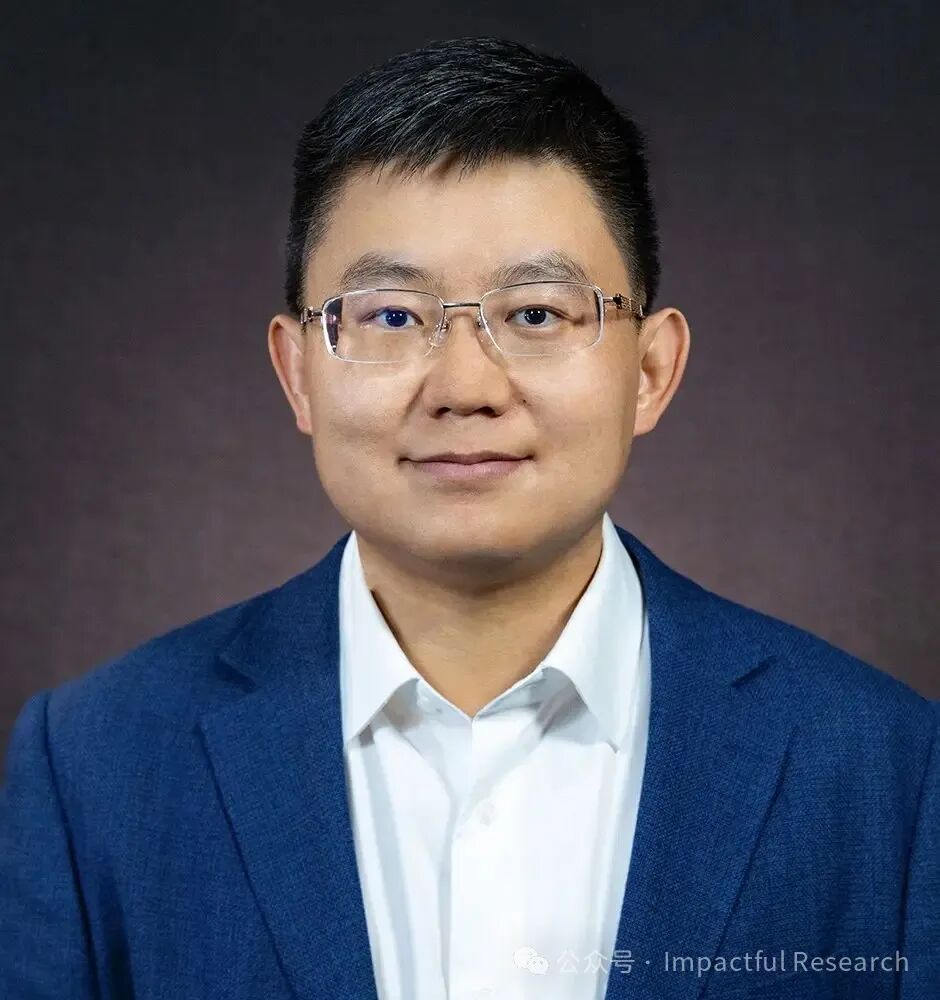
学者简介:
何国俊教授是香港大学经管学院经济学、管理与商业策略教授,港大赛马会环球企业可持续发展研究所所长、港大经管学院(深圳校区)ESG研究所所长、香港大学中国经济研究所副所长、兼任芝加哥大学能源政策研究所中国中心(EPIC-China)研究主任。他是Journalof Environmental Economics and Management 的共同编辑(co-editor)、China Economic Review 的共同编辑(co-editor),ManagementScience的副编辑(Associate Editor),并担任AEJPolicy等期刊的编委会成员。何国俊教授主要从事环境与发展经济学方面的研究。其论文发表于 QJE、AER、AER Insights等顶尖经济学类期刊,也发表于Science、PNAS, Nature子刊等顶尖科学类期刊。其研究得到国际国内多项基金的资助并荣获多项学术奖励,包括“国家杰出青年科学基金”、“第九届高等学校科学研究优秀成果奖(人文社会科学)”、“欧洲40岁以下环境经济学杰出研究者奖”、“张培刚发展经济学优秀成果奖”等。
参考文献:
He, Guojun, Yuhang Pan, Albert Park, Yasuyuku Sawada, and Elaine S. Tan. “Reducing Single-Use Cutlery with Green Nudges: Evidence from China’s Food Delivery Industry,” Science, 8 Sep 2023, Vol 381, Issue 6662
Mark Buntaine, Michael Greenstone, Guojun He, Shaoda Wang, Mengdi Liu, and Bing Zhang, “Does the Squeaky Wheel Get More Grease? Citizen Participation, Social Media, and Environmental Governance in China,” American Economic Review, 2024, 114 (3), 815-850.
de Janvry, Alain, Guojun He, Elisabeth Sadoulet, Shaoda Wang, and Qiong Zhang. “Subjective Performance Evaluation, Influence Activities, and Bureaucratic Work Behavior: Evidence from China.” American Economic Review, 113, no. 3 (2023): 766-799.
| 责任编辑 | 秦雨、阮天悦 |
| 整理翻译 | 张诗怡 |
| 校对 | 何国俊 |