
丛林教授谈RFS(2019)创作心得 Lin William Cong on RFS (2019)
本文最初于 2024 年 4 月 5 日 发布于微信公众号 Impactful Research;2026 年 4 月 28 日 同步至本网站。
Originally published on the WeChat official account Impactful Research on 2024-04-05; mirrored to this website on 2026-04-28.

来源:Google图文
这个公众号的第二十一篇文章,我们很荣幸邀请到康奈尔大学的丛林教授分享他于2019年发表在金融学顶级期刊 Review of Financial Studies 上关于区块链和智能合约的文章。截至本文刊发时间,该文章在Google Scholar的引用量已超过1200次。
以下是丛林教授分享的 Blockchain Disruption and Smart Contracts 这篇文章的创作历程。
本文正文内容约五千字,全文阅读需约十分钟
#本期访谈主要问题
1. 如何发现这个研究问题的?
2. 文章写作和修改过程中的挑战
3. 对想进行跨领域研究的青年学者的建议
Q1:您是如何想到这个研究问题并呈现为一个经济学问题的?
Q1: How did you identify this idea and frame it into a general economic question?
我在斯坦福读博的时候,帮在硅谷做创投的朋友看过项目,机器学习相关的PhD课程我也上了一遍,因此对这些主题接触得比较多,也一直密切关注着它们。在 Review of Financial Studies 的金融科技特刊(fintech special issue)约稿前,我就开始思考一些区块链和加密货币跟经济金融相关的主题,但大部分还是计算机的、偏技术的。约稿之后,我就想试着推进一些之前的想法。那时候考虑了产业组织、区块链和智能合约,当时智能合约处于起步阶段,但我觉得还是有很多核心经济问题在里面的。
While pursuing my Ph.D. at Stanford, because I helped my friends in Silicon Valley with some venture capital projects, and took several PhD-level courses related to machine learning, I had a fair amount of exposure to these topics and have been following them closely. Before the call for proposals for the fintech special issue of Review of Financial Studies , I began pondering some topics related to blockchain, cryptocurrency, and their connections to economics and finance, although most of them were technical topics in the computer science domain. After the call for proposals, I started considering whether some of my previous ideas could be further expanded upon. At the time, I was considering industrial organization (IO), blockchain, and smart contract. At that time, smart contract was still in its infancy, and I believed it still harboured many core economics issues.
说到智能合约,你很自然地就想到契约。契约理论里大家会假设是不是全部能写成合同(contract),如果不能,那合同设计空间(contracting space)是否能变得更完善。完善的时候有什么不好呢?例如,完善的时候链上信息若都是公开的,那么信息多了也不一定是好的。因此我当时就想到这个以产业组织为核心的题目,它其实也适用于对等预测博弈(Peer Prediction Game)和预言机网络的信息集结。 总之就是,思考时间久了,我就能比较自然地想到这个题目,然后开始推进。
When discussing smart contract, one naturally thinks of contract. In contract theory, we previously see whether everything could be written as a contract. If not, then has the contracting space been made perfect? Are there any downsides to this perfection? For instance, if all the on-chain information is public, having too much information may not necessarily be advantageous. Therefore, I came up with this idea that centred around industrial organization. In fact, it also applies to Peer Prediction Game and the aggregation of information in Oracle networks. All in all, after pondering over it for a while, this topic naturally came to mind, and I began to push forward with it.
(这些话题)在这之前也有人发表过,像David Yermack在 _Revie w of Finance_上发过一篇关于公司治理和区块链的文章[1],Maureen O’Hara也写过关于比特币交易费用的文章[2],很早就发出来了。我们的文章在那个时间的确是一个比较适合的题目,而且有一个特刊去推动这个领域,也让大家觉得这个领域是可以做经济研究的。在这个基础上,大家的关注越来越多,相关的研究也越做越多,也让这篇文章成为区块链经济研究中引用最高的文章了。
Prior to this, others had already published on these topics. For instance, David Yermack published an article on corporate governance and blockchain in the Review of Finance, and Maureen O’Hara wrote a paper about Bitcoin transaction fees, which was published quite early on. Our paper happened to be a timely topic at that point, especially given the context of having a special issue to drive a particular field forward. This context made it clear that economic research in this area is viable. With increasing attention and more related studies, our paper became one of the most cited in the field of blockchain economics research.
Q2:您 在这篇文章的写作与修改过程中遇到过的最大的挑战是什么?
Q2: What was the greatest challenge during the writing and revision of this paper?
关于挑战,不止这篇文章,还包括很多新兴或交叉领域的研究,我觉得有三方面。
In terms of challenges, there are three major challenges, not only for this paper, but for emerging or interdisciplinary topics in general.
第一,因为这些领域还都是很新的,你要读很多东西。 其实任何金融科技的研究都差不多,但因为我们不是专门学计算机的,所以需要花时间花力气去读文章。但好在很多技术性的东西已经商品化,比如,有些工作你可以找计算机的全职研究人员或者研究助理来做,甚至你可以用一些大语言模型去编程。你知道这是一个跨学科的工作,哪些方面是相关的,哪些问题可以做,最核心的问题是什么,总体上来说还是经济问题导向的。为此你需要花时间去了解一下当前的技术能做什么,能做到什么程度,这是一个挑战。对此,我觉得和业界多交流是一个挺好的办法,我一直都跟业界的很多创办人有联系,这些讨论对我是很有帮助的。这个挑战也是说你每做一个项目都有一个固定成本,而且如果发表的周期比较长的话,中间可能还会有新的事物出现,你要一直跟进,所以这个要求比较高。
Firstly, because these fields are newly emerging, you need to do a lot of reading. Honestly speaking, it’s common in any aspect of Fintech research. However, since we are not computer science people, it requires time and effort to read articles. Fortunately, many technical aspects have already been commoditized. For some tasks, you can hire full-time researchers or research assistants in computer science, or even use large language models for programming. You understand that this is an interdisciplinary endeavor, you should know what are relevant aspects, which questions can be addressed, and which issues are critical. It’s still an economics issues-driven work. Therefore, you need to spend time understanding what current technology can do and to what extent. This is a challenge. In this regard, I believe that engaging in more discussions with industry professionals is quite beneficial. I have always maintained contact with many founders, and these discussions have been very helpful. This challenge also implies that with each project, there’s a fixed cost involved. Moreover, if the publication process is lengthy, new developments may emerge during this period, requiring continuous following. Therefore, it’s a demanding process.
第二个挑战在学术界,在学术发表上。你做一个新的题目,相当于挑战一些已有的领域或者已有的权威。 如果是一些思想开明、接受度比较高的人,他们会说可以研究一下,我觉得这是应有的态度。比如我也没有鼓吹电子加密货币,很多文章我也是写它出现的问题。其实在那个FTX,还有Binance被告的两三年前,我们就写文章讲横向的聚集(horizontal concentration)并不是问题,虽然业界觉得矿池会导致聚集,但你应用投资组合理论(portfolio theory)和产业组织的一些基本知识分析就知道这不是问题。问题是纵向的整合(vertical integration),它控制很多东西。FTX是这样的问题,大的中心化交易刷单行为也是这样的问题,因为它被控制,它不用披露那么多。所以我研究的东西和业界还是比较相关的。但是学术界这边,一旦你提到一些热点词汇,一些自命清高的人就会觉得你在炒作,这就是很强的偏见。的确,提交的文章质量参差不齐,任何一个新兴领域都是这样,但是你不能先入为主、一票否决,觉得这个事情就是炒热点。但好在RFS,以及像Andrew Karolyi、Itay Goldstein和姜纬等老师[3],他们为推动这个新兴领域做了很大的贡献。他们让大家能够更公正地去审视一些新兴的题目,不然的话大家一想到辛辛苦苦做的研究一上来就被否定,就都不愿意做这些东西了。
The second challenge lies within the academia, particularly in publishing. Introducing a new topic essentially challenges some existing fields or authorities. While some open-minded people may welcome the exploration of new topics, which I do appreciate, others might express skepticism or resistance. For instance, I did not merely advocate for cryptocurrencies. Many of my articles focused on the problems they bring. It’s a few years before the lawsuits against FTX and Binance that we wrote about horizontal concentration not being an issue. Despite the industry’s concern about mining pools causing concentration, applying portfolio theory and basic IO knowledge reveals that this is not a problem. The real concern lies in vertical integration, where control becomes centralized, allowing evasion of disclosure requirements (e.g. FTX and large centralized exchanges manipulating trades). So, my research remains relevant to the industry. However, in the academic community, mentioning certain buzzwords might lead some self-proclaimed righteous persons to dismiss your work as mere sensationalism, showcasing strong biases. Certainly, the quality of submitted articles varies widely in any emerging fields. However, it’s essential not to prejudge them as mere sensationalism and reject ideas outright. This is a significant challenge, but thanks to RFS, as well as scholars like Professor Andrew Karolyi, Itay Goldstein, and Wei Jiang, who have made substantial contributions to this emerging field. Their efforts promote a fairer evaluation of emerging topics. Without their influence, many would be reluctant to delve into these areas, fearing their hard work might be dismissed upon submission.
第三个大的挑战其实是相对于年轻教员来说,因为你还没有建立起学术声誉,首先大家对你的信任度本身就低一些,大家读你的文章时不一定足够认真来欣赏你的贡献,另外这个行业也有很多的不确定性。 所以当你去讲新的东西的时候,是有风险的。就学术生涯发展角度来说,我觉得年轻的学者要考虑一下这些题目的风险,这就是一个挑战。
The third major challenge is actually for junior faculty, because you haven’t yet established your academic reputation. Initially, there’s little trust in your work, and people may not read your articles carefully enough to appreciate your contributions. Additionally, there’s a lot of uncertainty in the industry. So, when you’re presenting new ideas, it carries risks. From the perspective of academic career development, I think young scholars need to consider the risks associated with these topics.
比如我相信区块链最终会成功,我相信经过多次迭代后,会有一些关键技术沉淀下来。我也相信大的技术方向,包括人工智能,会取得进展。我们很多技术都是经过演变才兴起的,就像早期的机器学习、人工智能和深度学习一样,它们都曾受到学术排挤。但随着算力的增强,这些技术终于崛起了。 然而,将这些技术应用到经济金融领域并不是一定成功的。这需要新的创新,而新的创新往往伴随着风险。比如,作为单独的研究人员,我们做金融领域研究时的模型规模可能无法和大公司相比,哪怕你可以用ChatGPT,但如何训练、生成模型也是问题。此外,讨论到OpenAI,虽然它是所谓开源的,但它也是一家独大,也会产生例如“大而不倒”的问题。
For instance, I believe blockchain will ultimately succeed, and I anticipate that after multiple iterations, some key technologies will become entrenched. I also have confidence in major technological advancements, including artificial intelligence. Many of our technologies have emerged through evolution, just like early machine learning, artificial intelligence, and deep learning, all of which were once marginalized in academia. Nevertheless, with the enhancement of computing power, these technologies have finally risen. However, applying these technologies to the field of economics and finance is not always a guaranteed success. This requires new innovation, which often comes with risks. For example, as individual researchers, the scale of our models in financial research may not compare to those of large corporations. Even if you can use ChatGPT, questions arise regarding how to train and generate models. Additionally, concerning OpenAI, although it claims to be open-source, it still holds significant market power, which can lead to issues such as “too big to fail.”
遇到的挑战主要就是这三方面,首先是需要时间去消化、更新行业的知识,其次是在发表的过程中有困难,最后就是存在一定的风险让年轻学者比较难去做这些研究。所以这就需要整个学校乃至整个学术界,包括一些期刊,能够有一个开放的态度,有一定的视野,愿意去真的推动这些创新,而不是为了发表而发表。
These are the main challenges: firstly, it takes time to digest and follow cutting-edge knowledge in the industry; secondly, there are difficulties in the publishing process; and finally, there is a certain level of risk, making it difficult for young scholars to engage in such research. Therefore, it requires universities and the entire academic community, including the journal’s editorial board, to have an open-minded attitude and a broad vision, willing to genuinely promote these innovations rather than publish for the sake of publishing.
Q3:对于想进行跨学科研究的青年学者,您有什么建议吗?
Q3: Do you have any advice for young scholars who want to conduct interdisciplinary research?
的确有很多挑战,包括评定的过程,以及哪些期刊算顶刊都还有很多争议。所以从学术生涯的角度来说,我觉得要有一定的心理准备,你需要有一个投资组合的方法来控制风险,也要比较有韧性。但同时从经济学者和商学院老师的角度来说,我们能做的事情非常多,很多金融科技的题目其实更多是经济、金融、管理的题目,但目前基本都让做计算机或者说数据科学的人来主导这些方向。所以,我觉得我们创新的机会非常多,可以做的贡献非常大,大家有机会去提升整个领域,让经济学对政策和业界有更大的影响力。因此我鼓励大家去做这些跨学科研究,因为最后你会觉得你做的事情是有意义的。毕竟我们做学术研究的整个生涯,还是应该做一些有意义的事情,而不只是为了一些头衔或者发表。
Certainly, there are many challenges, including the evaluation process and the ongoing debates over which journals qualify as top-tier. From the perspective of academic career development, I believe it’s essential to be mentally prepared and to adopt a portfolio approach to manage risks. This journey may be arduous, requiring resilience, but as an economist and business school professor, I believe that we have the opportunity to contribute significantly. Many fintech topics we explore are interdisciplinary, spanning economics, finance, and management. However, most of these topics are typically led by computer scientists or data scientists. Therefore, there are ample opportunities for innovation and substantial contributions to be made. We have the chance to elevate the profession and enhance the influence of economics on policy and industry. In this regard, I encourage everyone to engage in interdisciplinary research. Ultimately, you’ll find that the work you do is meaningful. After all, our academic careers should be about more than merely some titles or publications; they should be about making a meaningful impact.
比如说我们虽然是最早做AI模型的经济学者,可很长时间发表不出来,因为经济金融期刊审委并不了解Transformer或强化学习[4]。但是那段时间可能有二三十家基金来找我,我大多推掉了,但会和一些大的基金有顾问合作。我倒不是说你一定要去参与这些活动,而是你要知道你做的东西是有用的,也是有影响的。这种成就感和你发一篇文章带给你的成就感是不一样的,所以我鼓励大家去保持一种开放的态度去做一些尝试。
For example, although we were among the earliest economists to work on AI models, we couldn’t publish for a long time because the editorial boards of economics and financial journals didn’t understand Transformer or reinforcement learning. However, during that time, I might be approached by twenty or thirty different funds. I declined most of them but collaborated with some major funds as a consultant. I’m not saying you have to participate in such activities, but rather that you know what you’re doing is valuable and impactful. The sense of achievement from this is different from the satisfaction you get from publishing a paper. So, I encourage everyone to maintain an open-minded attitude and try different things.
作为刚起步的研究学者,其实你的机会成本是相对小一些的,你可以投入一些时间。我觉得金融研究还是一个偏应用的学科,所以就要“Be real, be relevant”,要跟从业者多交流,而不是自己编东西。可能理论方面有一些基础理论的研究是可以这样去做的,但哪怕是做理论的,我觉得这种行业或者政策知识可以给你一个合理性检查(sanity check),看看你的文章是不是比较合理,关注一下文章的应用性。很多时候我们确实有发表文章的压力,有的时候就没有时间跳出来仔细想想自己做的东西是不是比较有意义的研究,但从长期来看,花时间想清楚自己是不是真正做出了贡献,这件事情本身还是有帮助的。
As a junior scholar in the research, your opportunity cost remains relatively modest, allowing for the investment of time. In the realm of financial research, which predominantly leans towards practical applications, it’s imperative to maintain a stance of “Be real, be relevant” and engage in extensive communication with industry professionals rather than merely independently writing something. While certain foundational theory research may accommodate such an approach, even within theoretical realms, integration of industry or policy disciplines serves as a sanity check to ensure the robustness and applicability of your work. Due to the common pressure to publish papers, there may be instances where insufficient time prohibits thorough reflection on the significance of research. However, long-term success often stems from the careful consideration of whether one’s research is genuinely impactful and makes contributions.
最后是做好学术和业界的平衡,不要太极端。 学术的极端可能是大家都闷头做学术,反正最后肯定有10%的人能做出有用的研究来,但是不知道是谁做出来,也不知道是什么方向;业界的极端是你不写文章了,变成产品导向,就为了应用或者是业界的实践,赶快做下一个产品就好了,这也不好,这也是需要平衡一下的。多阅读前沿研究和业界政策界动态会有帮助。康奈尔金融科技中心的季刊,和DEFT Lab公众号[5]会尽量提供有用的资讯给感兴趣的学者。
Finally, that’s a great point about striking a balance between academia and industry. On one extreme, if everyone solely focuses on academic research without considering practical applications, it could result in a trap of blind research. On the other extreme, if researchers prioritize industry work over academic publishing, there’s a risk of neglecting foundational research and theoretical advancements. Reading cutting-edge research and staying updated on industry and policy developments can be helpful. The Newsletter of FinTech Initiative at Cornell, as well as the WeChat Blog of DEFT Lab, strive to provide useful information to scholars who are interested.
[1] Yermack, D. “Corporate Governance and Blockchains.” Review of Finance 21.1 (2017): 7-31.
[2] Easley, D., M. O’Hara, and S. Basu. “From Mining to Markets: The Evolution of Bitcoin Transaction Fees.” Journal of Financial Economics 134.1 (2019): 91-109.
[3] Itay Goldstein教授为RFS现任执行主编(2018-2024),在此之前,RFS执行主编为Andrew Karolyi教授(2014-2018),姜纬教授在2017-2020年曾任RFS主编。
[4] Cong, L., K. Tang, J. Wang, and Y. Zhang. “AlphaPortfolio: Direct Construction Through Deep Reinforcement Learning and Interpretable AI.” https://ssrn.com/abstract=3554486.
[5] 金科丛林(DEFT Lab)公众号是学说平台和丛林教授数字经济金融科技实验室在康奈尔金融科技中心辅助下联合推出的公众号,欢迎大家关注!
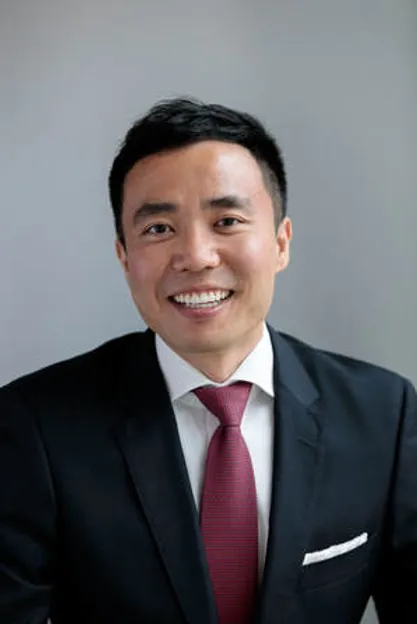
学者简介:
丛林(Lin William Cong)目前是康奈尔大学约翰逊商学院Rudd家族管理学讲席教授及金融学终身教授,兼任康奈尔中国经济研究、社科研究、新兴市场等中心的附属教授。他是美国国家经济研究局(NBER)资产定价部门学者,IC3 加密和智能合约研究所的科学家,清华和北大特聘教授,Kauffman 创业基金的青年学者,Poets & Quants “40位40岁以下”世界最佳商学院教授,和多家顶级学术界及业界期刊的编委,其中包含 Management Science 的金融主编。在加入康奈尔大学之前,丛林教授曾任斯坦福经济政策研究和发展中国家研究所杰出学者,芝加哥大学商学院教授及东亚研究中心教授。他于2009年在哈佛大学取得数学和物理双学位以及物理学硕士学位,2013、2014年在斯坦福大学先后取得统计学硕士学位和金融学博士学位。他的研究领域包括金融经济学、信息经济学、金融科技与经济数据科学、创业学、中国金融与经济等方面的研究,是近十年UT24期刊区块链数字资产及相关经济研究发表最多的学者,也是数字经济金融科技领域最高产的学者之一。
参考文献:
Cong, L. W., and Z. He. “Blockchain Disruption and Smart Contracts.” The Review of Financial Studies 32.5 (2019): 1754–1797.
Cong, L. W., K. Tang, J. Wang, and Y. Zhang. “AlphaPortfolio: Direct Construction Through Deep Reinforcement Learning and Interpretable AI.” Available at SSRN: https://ssrn.com/abstract=3554486.
Easley, D., M. O’Hara, and S. Basu. “From Mining to Markets: The Evolution of Bitcoin Transaction Fees.” Journal of Financial Economics 134.1 (2019): 91-109.
Yermack, D. “Corporate Governance and Blockchains.” Review of Finance 21.1 (2017): 7-31.
| 责任编辑 | 秦雨、阮天悦 |
| 整理翻译 | 庞乃琛 |
| 校对 | Kwan Chen |